
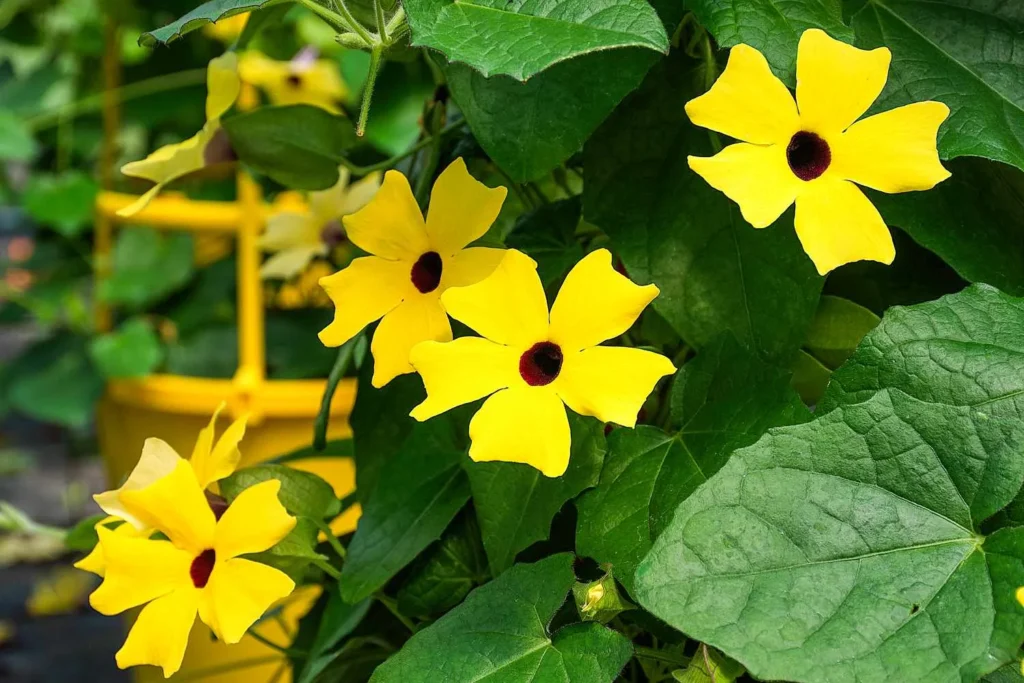
Choosing the right climbing plant with yellow flowers for your home in Pune involves more than just aesthetics; it’s about aligning with ancient Vastu Shastra principles to foster prosperity and positivity. The right plant, placed correctly, can transform your living space. As experts in Home Plantscaping Services in Pune, the team at Interio Forest is dedicated to helping you harmonize your home with nature. We understand the unique Pune climate and how to integrate beautiful, Vastu-compliant flora into your environment.
The Power of Yellow Flowering Climbers in Vastu
In Vastu Shastra, colors play a vital role in influencing the energy of a space. Yellow is associated with Jupiter, the planet of wisdom, wealth, and optimism. It represents sunlight, knowledge, and happiness. A climbing plant with yellow flowers brings this vibrant energy, promoting intellectual clarity and attracting auspicious opportunities.
Climbing plants, by their very nature, symbolize growth, upward mobility, and perseverance. Their vertical ascent represents progress in life, career, and personal development. When you combine the upward-reaching energy of a climber with the joyful hue of yellow flowers, you create a powerful Vastu element that can significantly enhance the positive energy flow in your home.
Choosing the Right Yellow Flowering Climber for Pune
Pune’s distinct climate—with its hot summers, heavy monsoons, and mild winters—demands careful plant selection. Here are some Vastu-approved yellow flowering climbers that thrive in our local conditions.
Allamanda Cathartica (Golden Trumpet Vine)
Known for its large, trumpet-shaped yellow blossoms, the Allamanda is a popular choice for Pune homes. It’s a vigorous climber that can quickly cover a wall, fence, or pergola.
- Vastu Significance: Allamanda is considered highly auspicious, believed to attract wealth and ward off negative energies. Its bright yellow color is perfect for inviting positive vibrations.
- Pune Care Tips: This plant loves sunlight. Plant it in a spot that receives at least 5-6 hours of direct sun. While it is relatively hardy, it appreciates consistent watering during the peak summer months. It can become a bit leggy, so a regular pruning schedule is essential to encourage bushier growth and more flowers.
Bignonia Venusta (Golden Shower Vine)
Often mistaken for other climbers, this spectacular vine produces dense clusters of orange-yellow flowers, creating a “golden shower” effect.
- Vastu Significance: Its cascading flowers are symbolic of an overflow of abundance and prosperity. It is often planted near entrances to welcome good fortune.
- Pune Care Tips: This is one of the more drought-tolerant vines once established, making it suitable for Pune’s hotter areas like Kothrud or Baner during dry spells. However, it will bloom more profusely with regular watering. It needs a sturdy trellis support to manage its vigorous growth.
Tecoma Capensis (Cape Honeysuckle)
While often grown as a shrub, Cape Honeysuckle can be trained as a climber. It produces bright, reddish-orange to yellow tubular flowers that are a magnet for hummingbirds and butterflies.
- Vastu Significance: Its ability to attract wildlife brings life and activity to your garden, which is considered very positive in Vastu. The vibrant color stimulates energy and passion.
- Pune Care Tips: This plant is incredibly resilient and adapts well to Pune’s varying microclimate in Pune. It thrives in full sun but can tolerate partial shade. For those interested in balcony gardening, a well-pruned Tecoma in a large pot can be a fantastic addition.
Vastu Directions for Your Yellow Flowering Climber
Placement is everything in Vastu. Placing your plant in the wrong direction can negate its positive effects or even create imbalances. Here’s a guide to the ideal Vastu directions for your climbing plant.
The North-East Corner: The Zone of Prosperity
The North-East, or Ishan Kona, is the most sacred direction in Vastu, governed by Jupiter. Placing a yellow flowering climber here is exceptionally powerful.
- Why it Works: This direction is the source of divine energy. A plant here, especially a yellow one, is believed to amplify wealth, wisdom, and spiritual growth. It is considered one of the best Vastu dosha remedies for financial or educational blockages.
- How to Implement: Plant your climber in the ground or in a pot placed in the north-east corner of your property or balcony. Ensure the area is kept clean and clutter-free to allow energy to circulate.
The North Direction: The Zone of Career and Finance
Governed by Kubera, the god of wealth, the North direction is ideal for plants that symbolize growth and abundance.
- Why it Works: A climbing plant here signifies an upward trajectory in your career and financial life. The yellow flowers add the element of luck and new opportunities.
- How to Implement: This is an excellent spot for container gardening. Place a pot with a climber against the northern wall of your house or balcony. Make sure it receives adequate sunlight.
The East Direction: The Zone of Health and Social Connections
The East, ruled by the Sun God, is associated with health, new beginnings, and social repute.
- Why it Works: Placing a vibrant, living plant in the East is thought to improve the health of the residents and foster strong community ties. It also enhances entrance aesthetics when placed near the main door.
- How to Implement: If your home entrance is in the East, training a yellow flowering climber around the door or on an adjacent wall is a wonderful way to welcome positive energy.
Directions to Avoid:
- South-West: This direction represents stability and should be heavy. Growing a climber here can symbolize instability in relationships and finances.
- South-East: This is the fire corner (Agni Kona). While some flowering plants are acceptable, avoid large, dense climbers that could block the morning sun and create energy imbalances.
Practical Care and Maintenance in Pune’s Climate
Ensuring your Vastu-compliant plant thrives is key to reaping its benefits. Proper care ensures the plant remains healthy, which in turn radiates strong, positive energy.
Soil and Potting
Use well-draining soil to prevent root rot, a common issue during Pune’s monsoon. A mix of garden soil, compost, and cocopeat or sand works well. Choose a large container if you are not planting in the ground, as climbers have extensive root systems.
Watering Schedule
- Summer (March-June): Water deeply every 1-2 days, especially for plants in direct sun. Check the top inch of soil; if it’s dry, it’s time to water.
- Monsoon (July-September): Reduce watering significantly. Pune’s humidity and rain are often sufficient. Ensure pots have excellent drainage. These are key monsoon care tips to prevent fungal diseases.
- Winter (October-February): Water moderately, perhaps once every 3-4 days. The mild Pune winter requires less irrigation.
Sunlight and Light Optimization
Most flowering climbers need at least 4-6 hours of direct sunlight to bloom profusely. Observe the sun’s path across your property before planting. Natural light optimization is crucial; if a Vastu-correct spot is too shady, the plant won’t flourish. In apartments in areas like Koregaon Park, a west-facing balcony might be better for sun-loving plants than a shaded east-facing one.
Fertilization and Nutrition
Feed your climber with organic fertilizers like vermicompost or bone meal every 4-6 weeks during the growing season (spring and monsoon). This supports vigorous growth and abundant flowering, enhancing its positive energy.
Pest Management
Healthy plants are less susceptible to pests. Regularly inspect your climber for common pests like mealybugs or aphids. Use organic pest control methods like neem oil spray to keep your plant healthy without introducing harsh chemicals into your home. This is particularly important for air-purifying plants you might have nearby.
Advanced Vastu: Enhancing the Plant’s Positive Effects
Once your plant is in place, you can further amplify its Vastu power.
- Combine with Other Auspicious Plants: Pair your yellow climber with other auspicious flowering plants like Tulsi (Holy Basil), Jasmine, or Marigold. This creates a synergistic effect, building a powerful field of positive energy. For more ideas on creating beautiful green spaces, explore our guide to balcony gardens. Check out some examples here:
/balcony-garden-ideas. - Use Vastu-Friendly Colors: The pot or container color matters. Earthen tones, blues, and greens are excellent choices. Avoid black or dark grey pots, as they can absorb and trap negative energy. The use of vastu-friendly colors complements the plant’s own positive attributes.
- Keep the Area Clean: A Vastu remedy is only as effective as the environment it’s in. Ensure the area around your plant is always clean, tidy, and free of clutter, dead leaves, and weeds.
Bring Vastu and Beauty to Your Home with Interio Forest
Integrating a climbing plant with yellow flowers into your home is a beautiful way to enhance your decor and invite positive, growth-oriented energy. However, choosing the right plant, ensuring correct placement, and providing climate-specific care can feel overwhelming. This is where professional guidance makes all the difference. As per Agricultural Universities’ horticulture guidelines, localized expertise is critical for garden success. We are providing Home Plantscaping Services in Pune, and our team at Interio Forest has the expertise to design, install, and maintain Vastu-compliant green spaces tailored to your home and lifestyle. See our work here: /plantscaping-portfolio.
Ready to transform your home with the power of plants? Contact Interio Forest today for a consultation. Let us help you create a beautiful, prosperous, and harmonious living environment.
FAQs:
Q1: What is the best Vastu direction for a money plant?
A: For a money plant (Epipremnum aureum), the South-East direction is considered the most auspicious. This corner is governed by Venus and associated with wealth. Placing a money plant here is believed to attract financial prosperity. Avoid placing it in the North-East corner.
Q2: Can I keep a climbing plant with yellow flowers indoors in Pune?
A: Yes, but it’s challenging. Most flowering climbers need several hours of direct sunlight, which is rare indoors. If you have a very bright, sun-drenched atrium or a large south or west-facing window, a smaller climber in a pot might survive but likely won’t flower as profusely as it would outdoors.
Q3: Which Vastu plants are good for the main entrance?
A: Plants like Tulsi (Holy Basil), Jasmine, and flowering climbers like Allamanda are excellent for the main entrance. They are believed to purify the energy entering the home and welcome good fortune. According to the Indian Green Building Council, green entrances also improve local air quality.
Q4: How do I choose a plant that will survive Pune’s summer heat?
A: Select hardy, sun-loving species. Allamanda, Bougainvillea, and Tecoma are excellent choices that thrive in Pune’s summer. Ensure they are well-watered during the hottest months and provide afternoon shade if they show signs of stress, like wilting or scorched leaves.