
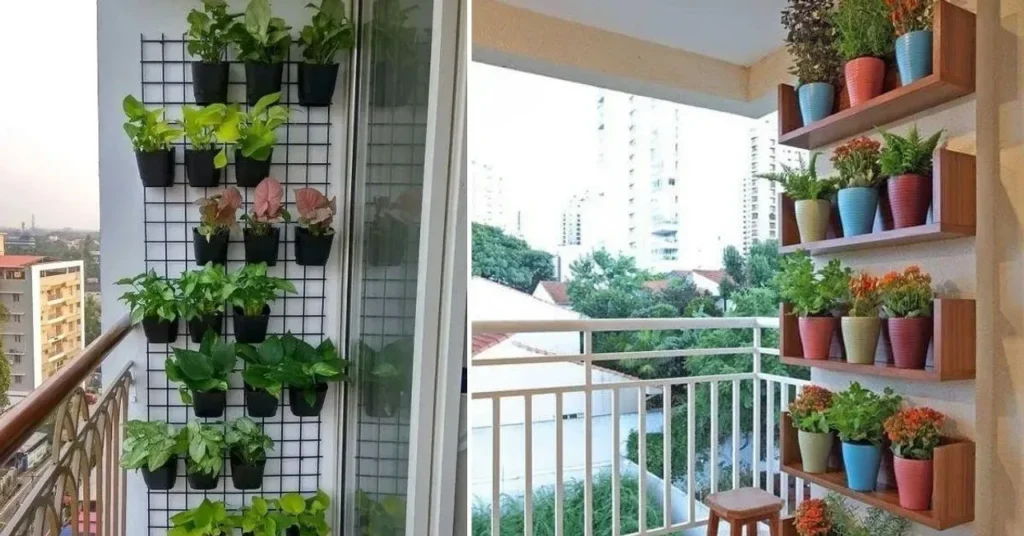
Vertical gardens are a fantastic way to bring nature into urban spaces, offering a splash of green without demanding much floor space. For those looking to create a living wall, the key is choosing the right greenery. Selecting low-maintenance plants suitable for a vertical garden in India ensures your green wall thrives with minimal effort, adapting well to the country’s diverse climates. Whether you’re a seasoned gardener or a beginner, finding hardy, beautiful plants is the first step toward a stunning vertical display. If you’re looking for expert help, our Vertical Garden Design and Installation Services in Pune can guide you in creating the perfect green oasis for your home or office. This guide will walk you through seven of the best low-maintenance plants to get you started.
Understanding the Needs of a Vertical Garden
Before we dive into the specific plants, it’s important to understand what makes a plant suitable for a vertical setup. Unlike traditional gardens, vertical gardens have unique conditions. The pockets or containers are often smaller, meaning there’s less soil for roots to grow. This also affects water retention, as the soil can dry out faster.
Plants in a vertical garden need to be:
- Drought-Tolerant: They should be able to withstand periods of dryness, as consistent watering can sometimes be a challenge.
- Shallow-Rooted: Plants with extensive root systems will quickly become root-bound in the small pockets of a vertical garden.
- Low-Maintenance: The ideal plants won’t require constant pruning, fertilizing, or pest control.
- Adaptable: They should be able to tolerate varying light conditions, from full sun to partial shade, depending on where your vertical garden is located.
Considering these factors will help you choose plants that not only survive but flourish, creating a lush and vibrant living wall.
1. Money Plant (Epipremnum aureum)
The Money Plant, also known as Pothos or Devil’s Ivy, is arguably one of the most popular and forgiving houseplants in India. Its trailing vines and heart-shaped leaves make it a perfect candidate for vertical gardens, where it can cascade down beautifully, creating a dense green curtain.
Why It’s a Great Choice:
- Extremely Hardy: Money Plants are notoriously difficult to kill. They can tolerate a wide range of conditions, from low light to bright, indirect sunlight. They can also handle occasional neglect when it comes to watering.
- Air Purifying: This plant is an excellent natural air purifier, known for its ability to remove common indoor toxins like formaldehyde and benzene from the air.
- Easy Propagation: You can easily propagate Money Plants from cuttings. Just snip a piece of the vine and place it in water or soil, and it will quickly grow roots. This makes it easy to fill out your vertical garden or replace any plants that may not be doing well.
Care Tips:
- Light: Prefers bright, indirect light but can survive in low-light conditions. Direct sunlight can scorch its leaves.
- Watering: Water when the top inch of soil feels dry. It’s better to under-water than over-water, as it is susceptible to root rot.
- Soil: Use a well-draining potting mix.
2. Spider Plant (Chlorophytum comosum)
The Spider Plant is another classic, low-maintenance choice that brings a unique texture to a vertical garden with its long, arching leaves. It gets its name from the small “spiderettes” or plantlets that dangle from the mother plant, resembling spiders on a web. These plantlets can be easily repotted to grow new plants.
Why It’s a Great Choice:
- Adaptable: Spider Plants are not fussy about their environment. They can thrive in a range of light conditions, from semi-shady to partial sun, and are forgiving if you forget to water them occasionally.
- Visually Appealing: The variegated varieties with white or cream stripes on their leaves add a striking contrast to other green plants in your vertical garden. The cascading spiderettes also add a lovely, dynamic element.
- Non-Toxic: If you have pets or small children, the Spider Plant is a safe choice as it is non-toxic.
Care Tips:
- Light: Bright, indirect light is ideal, but it can tolerate lower light levels. Avoid direct, intense sunlight.
- Watering: Keep the soil evenly moist but not waterlogged. Allow the soil to dry out slightly between waterings.
- Soil: A general-purpose potting soil works well.
3. Syngonium (Syngonium podophyllum)
Syngonium, or the Arrowhead Plant, is loved for its attractive, arrow-shaped leaves that come in a variety of colors, including green, pink, and burgundy. As the plant matures, it starts to vine, making it an excellent trailing plant for a vertical garden. Its lush foliage can quickly cover a wall, creating a full and vibrant look.
Why It’s a Great Choice:
- Versatile Growth: You can let it trail down or train it to climb up your vertical garden structure. This versatility allows for creative designs.
- Low Light Tolerance: Syngonium is one of the best plants suitable for a vertical garden in India that will be placed indoors or in a shaded balcony, as it thrives in low to medium light.
- Colorful Foliage: With so many varieties available, you can mix and match different colors to create a visually interesting and textured living wall.
Care Tips:
- Light: Prefers bright, indirect light but does well in low-light areas. Keep it out of direct sun.
- Watering: Water thoroughly, then allow the top inch of soil to dry out before watering again. Reduce watering in the winter.
- Soil: Use a rich, well-draining potting mix.
4. Ferns (Nephrolepis exaltata)
Ferns, particularly the Boston Fern, bring a touch of lush, woodland charm to any space. Their feathery fronds create a soft, delicate texture that contrasts beautifully with broad-leaved plants. Ferns are a great option for shaded or semi-shaded vertical gardens, especially in humid climates.
Why It’s a Great Choice:
- Loves Humidity: Many parts of India have high humidity, which ferns absolutely love. They thrive in moist air, making them well-suited for many Indian climates.
- Creates a Lush Look: The dense, arching fronds of ferns can quickly fill in gaps in your vertical garden, creating a full, jungle-like effect.
- Adds Texture: The fine, delicate fronds provide a unique texture that can break up the monotony of other foliage.
Care Tips:
- Light: Bright, indirect light is best. Avoid direct sun, which can burn the fronds. They can also tolerate fairly shady spots.
- Watering: Ferns like consistently moist soil. Do not let the soil dry out completely. Misting the fronds regularly can also help, especially in drier environments.
- Soil: A peat-based potting mix that retains moisture is ideal.
5. Succulents (e.g., Sedum, Echeveria)
For vertical gardens located in sunny, dry spots, succulents are an unbeatable choice. These desert natives are built to store water in their leaves, making them incredibly drought-tolerant and low-maintenance. Varieties like Sedum (Stonecrop) and Echeveria offer a stunning array of shapes, colors, and textures.
Why It’s a Great Choice:
- Drought Resistance: Succulents require very little water, making them perfect for busy people or for outdoor vertical gardens in hot, sunny locations. Overwatering is a bigger risk than underwatering.
- Stunning Variety: From the rosette shapes of Echeverias to the trailing stems of String of Pearls or Sedum morganianum (Burro’s Tail), succulents offer endless design possibilities. You can create a beautiful mosaic of colors and forms.
- Shallow Roots: Most succulents have shallow root systems, which makes them perfectly suited for the small pockets of a vertical garden.
Care Tips:
- Light: Most succulents need at least 4-6 hours of direct sunlight per day to maintain their vibrant colors and compact shape.
- Watering: Water deeply but infrequently. Allow the soil to dry out completely between waterings.
- Soil: Use a fast-draining cactus or succulent mix. Good drainage is critical to prevent root rot.
6. Ajwain Plant (Plectranthus amboinicus)
The Ajwain Plant, also known as Indian Borage or Mexican Mint, is a popular herb in Indian households, known for its distinct aroma and medicinal properties. Its fleshy, velvety leaves and fast-growing, semi-succulent nature make it a surprising but excellent choice for a vertical garden.
Why It’s a Great Choice:
- Functional and Beautiful: Not only does it look good with its thick, green leaves, but you can also harvest the leaves for culinary use. They have a flavor reminiscent of oregano and thyme.
- Very Easy to Grow: This plant is incredibly robust and grows quickly with minimal care. It propagates easily from cuttings.
- Pest Repellent: The strong scent of the Ajwain plant can help deter certain pests from your vertical garden.
Care Tips:
- Light: It thrives in full sun to partial shade.
- Watering: It has low to moderate water needs. Water when the soil feels dry, but be careful not to overwater.
- Soil: A well-draining soil is sufficient. It is not picky about soil type.
7. Wandering Dude (Tradescantia zebrina)
Formerly known as Wandering Jew, this plant is now commonly called Wandering Dude. It is a fast-growing, trailing plant famous for its striking foliage. The leaves have purple undersides and silver stripes on the top, adding a splash of color and drama to any vertical garden.
Why It’s a Great Choice:
- Rapid Growth: If you want to cover your vertical garden structure quickly, this is the plant for you. Its trailing vines grow fast and long.
- Vibrant Color: The purple and silver foliage provides a beautiful contrast against green plants and can be a focal point of your living wall.
- Easy to Care For: It is very forgiving and can tolerate a range of conditions. It’s also extremely easy to propagate from stem cuttings.
Care Tips:
- Light: Bright, indirect light helps it maintain its vibrant coloring. It can tolerate lower light, but the colors may fade.
- Watering: Keep the soil consistently moist but not soggy.
- Soil: A standard, well-draining potting mix will do.
Conclusion: Creating Your Green Masterpiece
Building a thriving vertical garden in India is an achievable and rewarding project. The key to success lies in selecting the right plants that can handle the unique conditions of a living wall while being suited to the local climate. By choosing from low-maintenance options like the Money Plant, Spider Plant, Syngonium, Ferns, Succulents, Ajwain Plant, or Wandering Dude, you can create a stunning and sustainable green feature with minimal fuss. These hardy and beautiful plants suitable for a vertical garden in India will provide you with a lush, vibrant display that enhances your space and connects you with nature.
If you’re ready to start your project but feel you need a professional touch, consider our Vertical Garden Design and Installation Services in Pune. We can help you design and build the vertical garden of your dreams, ensuring it becomes a beautiful, living piece of art.