
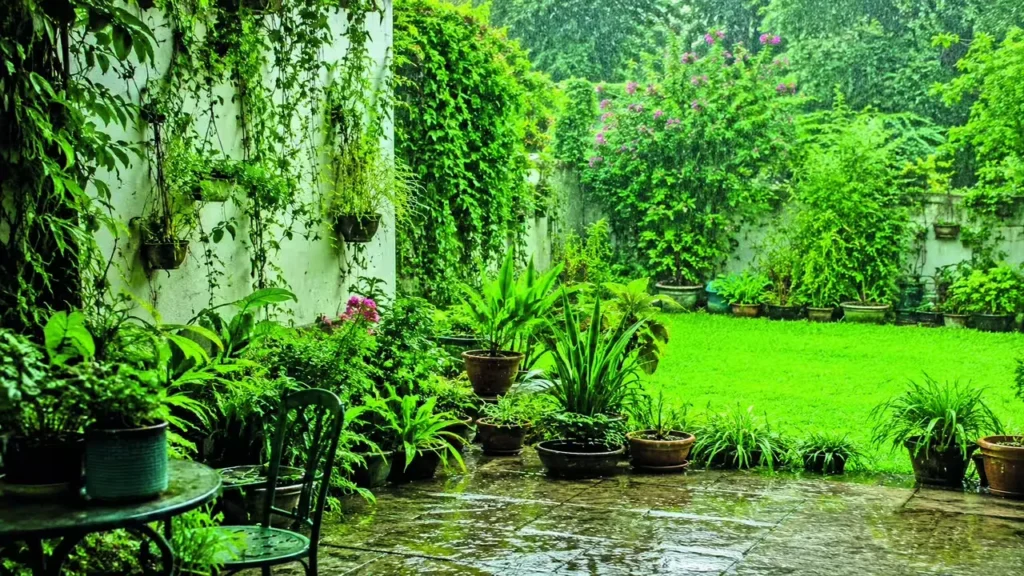
Home Plantscaping Services in Pune can help you create a healthy and beautiful green space at home, especially during the monsoon season. Pune gets good rainfall during monsoon, but too much water can also harm plants. Wet soil, poor drainage, low sunlight, fungus, and pests can affect balcony plants, indoor plants, terrace plants, and home gardens.
Monsoon is a happy time for plants. The rain gives fresh water, the air becomes cool, and many plants start growing new leaves. But plants still need the right care.
This guide shares simple monsoon plant care tips for homes in Pune, including watering, drainage, sunlight, soil, pests, indoor plants, balcony plants, terrace gardens, and plant maintenance.
If you are planning a green home, this guide will also help you understand when professional Home Plantscaping Services in Pune may be useful.
Pune gets a clear change in weather during the monsoon.
Rain, cloudy days, high moisture, and less direct sunlight can change the way plants grow.
A plant that needs water every day in summer may not need the same amount of water during the rainy season.
This is one of the most common mistakes people make.
They continue their old watering routine even when the soil is already wet.
The result can be:
- Yellow leaves
- Soft roots
- Root rot
- Fungal growth
- Bad smell from soil
- Slow plant growth
- Weak stems
- Insect problems
- Leaf spots
The good news is that most of these problems can be reduced with simple care.
1. Do Not Water Plants Without Checking the Soil
The first rule of monsoon plant care is simple:
Check the soil before watering.
Put your finger about one or two inches into the soil.
If the soil feels wet, wait.
If the top soil feels dry and the plant needs water, you can water it.
Different plants need different amounts of water. A money plant, snake plant, cactus, fern, and flowering plant do not have the same water needs.
So, do not use one watering schedule for every plant.
A simple rule
Wet soil = wait.
Dry soil + plant needs water = water.
This small habit can protect plant roots during the rainy season.
2. Check the Drainage Holes
Good drainage is very important during monsoon.
Every outdoor plant pot should have proper drainage holes.
When rainwater enters a pot, it needs a way to leave.
If water stays inside the pot for many hours or days, roots may not get enough air.
This can lead to root rot.
Check every pot for:
- Blocked drainage holes
- Mud covering the holes
- Too much water in the tray
- Cracked pots
- Water collecting under the pot
If a pot has a tray, remove extra water after heavy rain.
Do not let the pot sit in water for a long time.
3. Keep Indoor Plants Away From Too Much Rain
Not every plant needs direct rain.
Some plants can handle rain well. Others may suffer if their soil stays wet for too long.
If your balcony gets heavy rain, move sensitive plants to a covered area.
Indoor plants should also not be placed where rain can enter directly through an open window.
Good plant placement means finding a balance between:
- Light
- Air
- Rain
- Humidity
- Temperature
- Space
This is one reason professional Home Plantscaping Services in Pune can be useful for homes with many plants or difficult spaces.
4. Give Plants Enough Light
Monsoon days can be cloudy.
Plants still need light for photosynthesis.
This does not mean every plant should be placed in strong sunlight.
Instead, understand the light needs of each plant.
For example:
- Low-light plants can stay in bright indirect light.
- Flowering plants often need more light.
- Succulents need good light and dry soil.
- Indoor tropical plants often prefer bright filtered light.
Look at the leaves.
If a plant becomes weak, grows very slowly, or starts leaning toward a window, it may need better light.
Do not suddenly move a shade-loving plant into strong afternoon sunlight. The leaves may burn.
Move plants slowly when changing their location.
5. Improve Air Flow Around Plants
Rainy weather means more moisture in the air.
Poor air movement can make plant problems worse.
Do not keep too many pots packed together.
Give plants some space.
Good air movement helps leaves dry faster after rain or watering.
It can also reduce the chance of some fungal problems.
For balconies and small terraces, plant spacing is especially important.
A green space should look full, but plants should still have enough room to grow.
6. Remove Yellow and Damaged Leaves
Check your plants every few days.
Remove leaves that are:
- Fully yellow
- Brown and dead
- Rotten
- Heavily damaged
- Covered with fungal spots
Use clean scissors or pruning tools.
Do not remove healthy leaves without a reason.
Yellow leaves can happen because of many reasons, including too much water, poor light, old leaves, or nutrient problems.
So, do not treat every yellow leaf in the same way.
First find the possible cause.
7. Watch for Fungal Problems
Rainy weather creates a moist environment.
This can increase the risk of fungal problems on some plants.
Look for:
- White powder on leaves
- Black or brown spots
- Soft stems
- Rotten roots
- Unusual leaf marks
- Bad smell from wet soil
Remove badly affected leaves where needed.
Improve air movement.
Avoid keeping leaves wet for long periods.
Also avoid watering the plant again when the soil is already wet.
If the problem continues, get advice from a plant care professional instead of using random chemicals.
8. Protect Plants From Heavy Rain
Light rain can be helpful.
Very heavy rain can damage some plants.
Strong rain can:
- Break soft stems
- Damage young leaves
- Wash soil out of pots
- Flood containers
- Bend flowering plants
- Move small plants
Move fragile pots to a protected area during very heavy rain.
Tall plants may need support.
Small plants should be placed where water does not hit them with too much force.
9. Check the Potting Soil
Good soil should hold enough moisture but should also allow extra water to drain.
If the soil becomes hard and water sits on top, it may need improvement.
For container plants, a suitable potting mix can include materials that improve drainage and air spaces.
The exact mix depends on the plant.
A cactus needs a different mix from a fern.
A flowering plant may need a different mix from an indoor foliage plant.
Do not use the same soil formula for every plant.
10. Avoid Too Much Fertiliser
Many people think plants need more fertiliser during monsoon because they are growing fast.
This is not always true.
Wet soil, poor drainage, weak roots, and excess fertiliser can create more problems.
Fertiliser should be used based on:
- Plant type
- Soil condition
- Plant growth
- Pot size
- Previous feeding
- Season
If a plant is already stressed, adding more fertiliser may not solve the real problem.
First check water, drainage, light, pests, and roots.
11. Check for Pests After Rain
Rain does not mean your plants are free from pests.
You may find:
- Aphids
- Mealybugs
- Scale insects
- Fungus gnats
- Caterpillars
- Snails
- Slugs
Check the underside of leaves.
Look around new shoots and stems.
Also check the soil surface.
Early detection is easier than dealing with a large infestation later.
If you see only a few pests, remove them manually where possible.
For serious problems, identify the pest before selecting a treatment.
12. Take Extra Care of Balcony Plants
Balcony gardens are common in Pune homes.
But balconies can have different conditions.
One balcony may receive morning sun. Another may receive strong afternoon light. Some balconies may get heavy rain while others stay mostly dry.
This means plant selection should match the balcony.
Before buying plants, check:
How much sunlight does the balcony get?
Does rain enter the balcony?
Is there good drainage?
How much space is available?
How much time can you give to plant care?
These questions can help you create a garden that is easier to maintain.
13. Terrace Garden Care During Monsoon
Terrace plants need special attention during heavy rain.
Check pots regularly.
Make sure water does not collect around the containers.
Keep pots stable so strong wind does not move them.
Avoid placing too many heavy pots in one small area.
Also check the terrace drainage system.
A blocked drain can cause water to collect around plants and other areas.
If you have a large terrace garden, a proper plant layout can make regular maintenance much easier.
14. Monsoon Care for Indoor Plants
Indoor plants also need a change in care during monsoon.
Because humidity may be higher, the soil can stay wet longer.
Reduce watering when needed.
Keep plants near suitable natural light.
Avoid placing them directly under an air conditioner.
Keep enough space between pots.
Clean dusty leaves gently.
Check the soil before watering.
Some popular indoor plants that are often used in homes include:
- Snake plant
- Money plant
- ZZ plant
- Peace lily
- Areca palm
- Rubber plant
- Spider plant
- Philodendron
But remember: even plants from the same group can have different needs based on light, pot size, soil, and home conditions.
15. Choose the Right Plants for Your Home
A beautiful plant is not always the right plant for your home.
Before buying a plant, think about the space.
For example:
For low-light indoor spaces
Choose plants that can handle lower light levels.
For sunny balconies
Choose plants that can handle stronger light.
For small balconies
Use vertical planting, hanging planters, or compact pots.
For large terraces
You can combine shrubs, flowering plants, palms, herbs, and other suitable plants.
For homes with children or pets
Check whether the plants are safe for your household before bringing them home.
Good plantscaping starts with the right plant for the right place.
16. Create a Simple Monsoon Plant Care Routine
You do not need to spend hours every day caring for plants.
A simple routine can work well.
Every 2–3 days
Check:
- Soil moisture
- Yellow leaves
- Pests
- Water collection
- Broken stems
Once a week
Check:
- Drainage holes
- Pot condition
- Plant spacing
- Leaf health
- Soil condition
After heavy rain
Check:
- Fallen pots
- Broken branches
- Waterlogged soil
- Damaged leaves
- Blocked drainage
This small routine can prevent bigger problems.
How Home Plantscaping Services in Pune Can Help
Plantscaping is more than placing plants in a room.
It is about creating a green space that works well with the home.
A professional plantscaping service may help with:
- Plant selection
- Balcony plant planning
- Indoor plant selection
- Terrace garden planning
- Pot selection
- Plant placement
- Soil and drainage planning
- Vertical garden ideas
- Plant maintenance
- Seasonal plant care
- Replacement of unhealthy plants
This can be useful when you have a busy schedule or do not know which plants will work in your space.
The goal should not be to put as many plants as possible.
The goal should be to create a healthy, useful, and easy-to-maintain green space.
Common Monsoon Plant Care Mistakes
Here are some mistakes many plant owners make.
Watering every day
Rainy weather can keep the soil wet. Daily watering may cause root problems.
Keeping every plant outside
Some plants cannot handle heavy rain.
Ignoring drainage
A beautiful pot is not useful if extra water cannot escape.
Keeping plants too close
Crowded plants may have poor air movement.
Using too much fertiliser
More fertiliser does not always mean more growth.
Ignoring small pests
A few pests can become a bigger problem if they are not noticed early.
Choosing plants only for looks
The plant also needs to match your light, space, soil, and care routine.
A Simple Monsoon Plant Care Checklist
Before the next heavy rain, check:
- Are the pot drainage holes clear?
- Is the soil already wet?
- Are any pots sitting in water?
- Are fragile plants protected?
- Are leaves showing spots or fungal growth?
- Are there pests under the leaves?
- Are plants getting enough light?
- Is there enough space between pots?
- Are tall plants properly supported?
- Is terrace or balcony drainage clear?
A few minutes of checking can save a plant from a serious problem.
When Should You Consider Professional Plantscaping?
You may consider professional help when:
- You have many plants.
- Your balcony has limited space.
- Your plants keep dying.
- You have repeated drainage problems.
- You want a terrace garden.
- You want an indoor green wall.
- You do not know which plants suit your home.
- You want a low-maintenance green space.
- You need regular plant maintenance.
A good plant plan should fit your home, lifestyle, light, and maintenance time.
That is more useful than simply buying many plants.
Build a Healthier Green Space This Monsoon
Monsoon can be one of the best times to enjoy a green home.
But plants still need care.
The main idea is simple:
Do not give plants more water just because it is raining.
Check the soil.
Check the drainage.
Give plants the right light.
Keep good air movement.
Watch for pests.
Remove damaged leaves.
Protect sensitive plants from heavy rain.
And choose plants based on the conditions of your home.
If you want expert help planning and maintaining a green space, Interioforest provides Home Plantscaping Services in Pune for different home spaces.
Instead of filling your home with random plants, plan a green space that is beautiful, practical, and easier to care for.
Ready to Plan Your Home Green Space?
Contact Interioforest today to discuss your home plantscaping needs in Pune.
Whether you need help with a balcony garden, indoor plants, terrace greenery, plant selection, or regular plant care, start with a simple conversation about your space.
Contact us to plan a healthier and greener home.
FAQs
Should I water plants during the monsoon?
Yes, but only when needed. Check the soil first. If the soil is already wet, wait before watering.
Is rainwater good for plants?
Natural rainwater can be useful for many plants. However, very heavy rain can cause waterlogging and damage sensitive plants.
Why are my plant leaves turning yellow during monsoon?
Overwatering, poor drainage, low light, nutrient issues, or natural leaf ageing can cause yellow leaves. Check the plant and soil before taking action.
How can I stop root rot?
Use pots with drainage holes, avoid overwatering, use suitable soil, and do not allow water to stay around the roots for long periods.
Should indoor plants be watered less during monsoon?
Often, yes. Higher humidity and lower evaporation can make soil stay wet for longer. Always check the soil instead of following a fixed schedule.
What is plantscaping?
Plantscaping means planning and arranging plants, pots, greenery, and related elements to create a healthy and attractive green space.
Is plantscaping only for large homes?
No. Plantscaping can be planned for balconies, bedrooms, living rooms, offices, terraces, small gardens, and other spaces.
How do I choose plants for my balcony?
Check sunlight, rain exposure, wind, available space, drainage, and the amount of care you can provide.