
hoosing the right indoor plant can transform a rented space from a temporary house into a vibrant home. Among the most popular choices are lush, tropical palms that bring a touch of nature indoors. The debate often comes down to bamboo palm vs areca palm. Both are stunning, but they have distinct needs and characteristics. While some palms thrive outdoors, understanding the requirements for a bamboo palm outdoors versus a bamboo palm indoor is key to its survival. This guide will walk you through everything you need to know to make the perfect choice for your rental.
An Overview of Areca and Bamboo Palms
Before diving into a detailed comparison, let’s get acquainted with these two popular houseplants. Though they share a similar tropical vibe, their appearance and growth habits are quite different.
The Areca Palm (Dypsis lutescens)
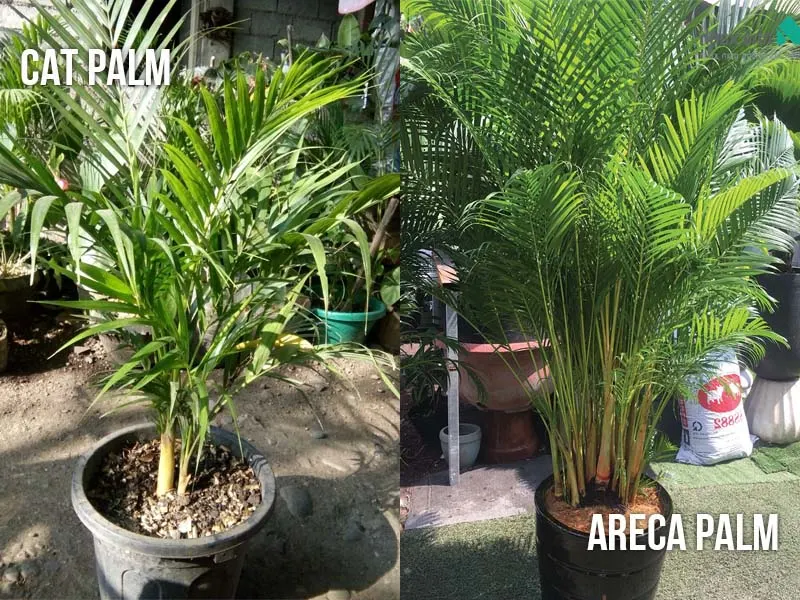
Also known as the butterfly palm, golden cane palm, or yellow palm, the Areca Palm is a showstopper. It features multiple slender, yellowish-green stems emerging from its base, creating a dense, bushy appearance. Its feathery, arching fronds give it a delicate and graceful look that can soften any room’s decor.
Native to Madagascar, Areca Palms are accustomed to humid, tropical environments. Indoors, they typically grow to about 6 to 7 feet, making them an excellent choice for filling empty corners or creating a natural focal point. Their fast-growing nature means you can enjoy a full, lush plant relatively quickly.
The Bamboo Palm (Chamaedorea seifrizii)
The Bamboo Palm, or reed palm, gets its name from its bamboo-like stems, which are ringed with scars from shed leaves. These upright, cane-like stems give the plant a more structured and vertical appearance compared to the Areca Palm. The fronds are dark green and less feathery, lending a bold, architectural feel to a space.
Originating from the forest floors of Mexico and Central America, Bamboo Palms are adapted to lower light conditions. This makes them exceptionally versatile for indoor settings. They are slower growers than Areca Palms, but their steady development and robust nature are part of their appeal. Exploring the bamboo palm plant benefits reveals why it’s a favorite for both homes and offices.
The Aesthetic and Health Benefits of Palms
Both Areca and Bamboo Palms do more than just look good. They actively improve your living environment, which is a significant plus for any home, especially smaller rental apartments where air quality can be a concern.
Powerful Air Purifiers
One of the most significant advantages of bringing plants indoors is their ability to clean the air. Both palms are excellent at filtering out common household toxins.
The Bamboo Palm is a particularly effective bamboo palm air purifier. It is known for its ability to remove formaldehyde, benzene, and trichloroethylene from the air. These volatile organic compounds (VOCs) are often found in furniture, cleaning products, and synthetic materials. By placing a Bamboo Palm in your living room or bedroom, you are actively creating a healthier breathing environment.
The Areca Palm is also a top performer in air purification. It is especially good at removing xylene and toluene, as well as adding a significant amount of moisture to the air. This natural humidifying effect can be a blessing during dry winter months, helping to combat dry skin and respiratory irritation.
Boosting Well-being and Aesthetics
Beyond air quality, the presence of greenery has a proven positive impact on mental health. The lush foliage of these palms can reduce stress, improve focus, and create a calming atmosphere. Their vibrant green color adds life and energy to neutral rental palettes.
- Areca Palm: Its soft, feathery texture creates a relaxed, resort-like feel. It’s perfect for bohemian, coastal, or eclectic design styles.
- Bamboo Palm: Its strong, vertical lines work well in modern, minimalist, or contemporary spaces. It adds a touch of sophistication and structure.
For renters, these plants offer a non-permanent way to personalize a space and make it feel more inviting and alive.
Bamboo Palm vs Areca Palm: Key Differences
Now for the main event: a head-to-head comparison. Understanding their differences in care, light, and water needs will help you decide which plant is the right long-term companion for you and your home.
Light Requirements
This is often the most critical factor in choosing an indoor plant.
- Areca Palm: Prefers bright, indirect light. A spot near an east-facing window is ideal. Direct sunlight will scorch its delicate fronds, causing them to turn yellow and burn. Insufficient light will lead to slower growth and a less vibrant plant.
- Bamboo Palm: Thrives in low to medium indirect light. This is its superstar quality. It can handle shadier corners where many other plants would struggle. It’s an excellent choice for apartments with limited natural light or rooms with north-facing windows. Like the Areca, it should be protected from direct sun.
Water and Humidity Needs
Proper watering is crucial for the health of any palm.
- Areca Palm: This palm is thirsty and sensitive. It prefers consistently moist soil but is susceptible to root rot if it becomes waterlogged. A good rule of thumb is to water when the top inch of soil feels dry. Areca Palms are also sensitive to chemicals in tap water, like fluoride and chlorine. Using filtered or distilled water can prevent the tips of the fronds from turning brown. They love high humidity, so regular misting or placing them near a humidifier is beneficial.
- Bamboo Palm: More forgiving with its watering schedule. It prefers the soil to dry out slightly more between waterings. Water thoroughly, then wait until the top 1-2 inches are dry before watering again. While it appreciates humidity, it is more tolerant of average household humidity levels than the Areca Palm.
Care and Maintenance
Overall effort is an important consideration, especially for busy renters. Proper bamboo palm plant care is generally considered less demanding than caring for an Areca Palm.
- Areca Palm: Requires more attention. You’ll need to be mindful of its light, water quality, and humidity levels. It’s also more prone to pests like spider mites, especially in dry conditions. Regular pruning of brown or yellow fronds is necessary to keep it looking its best.
- Bamboo Palm: This plant is more low-maintenance. Its tolerance for lower light and average humidity makes it a more resilient choice for beginners or those with less-than-ideal growing conditions. Effective bamboo palm indoor care focuses on avoiding overwatering and keeping it out of direct sun. It is also less susceptible to pests.
Growth and Size
- Areca Palm: A relatively fast grower that can reach up to 7 feet indoors. Its bushy, clumping nature means it also grows wider over time.
- Bamboo Palm: A much slower grower. It will eventually reach a similar height (6-8 feet) but will take longer to get there. Its growth is more upright and contained.
Choosing the Right Plant for Your Rented Space
So, which palm should you choose? Your decision should be based on your home’s environment and your lifestyle.
Choose an Areca Palm if:
- You have a bright spot with plenty of indirect sunlight.
- You enjoy the process of plant care and can provide consistent attention.
- You want to add a natural humidifier to your space.
- You love a lush, feathery, and fast-growing plant to make a quick impact.
Choose a Bamboo Palm if:
- Your apartment has limited natural light or you need a plant for a shadier corner.
- You are a beginner or want a more low-maintenance, forgiving plant.
- You prefer a more structured, architectural look.
- You are looking for a top-tier air purifier that is relatively easy to care for.
For renters, the Bamboo Palm often has a slight edge due to its adaptability. Rental properties can have unpredictable lighting, and the Bamboo Palm’s tolerance for lower light makes it a safer bet. Its slower growth also means it won’t outgrow its spot too quickly, a bonus if you’re not in a permanent home.
Final Thoughts: The Perfect Palm Awaits
Both the Areca Palm and the Bamboo Palm are fantastic choices for bringing a piece of the tropics into your home. The right choice in the bamboo palm vs areca palm debate ultimately depends on your specific environment and how much time you want to dedicate to plant care. Whether you have a bright sunroom perfect for a delicate Areca or a cozy, low-light living room ideal for a sturdy Bamboo, there is a palm for you. Understanding the difference between a bamboo palm outdoors and a bamboo palm indoor is the first step. With the right knowledge, you can confidently select a green companion that will not only survive but thrive in your rented space, purifying your air and beautifying your home for years to come.