
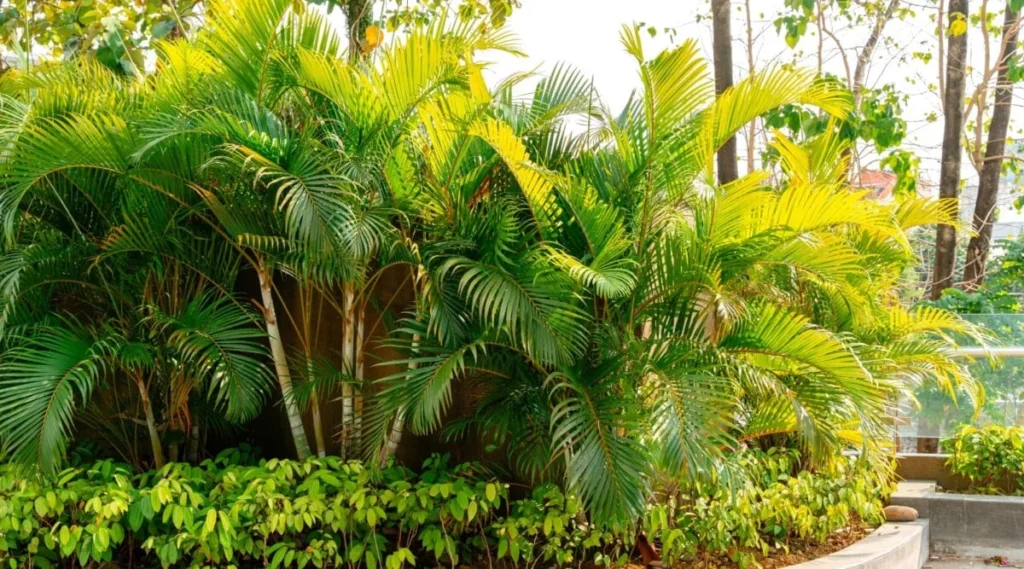
The Areca Palm, with its graceful, feathery fronds, brings a touch of tropical paradise to any indoor space. Known for its air-purifying qualities and elegant appearance, it’s a favorite among homeowners and plant enthusiasts in Pune. Many believe that cultivating this lush greenery is a difficult task, but with the right guidance on How to Grow Areca Palm plant, it becomes a straightforward and rewarding experience. At Interio Forest, we believe everyone can develop a green thumb. This comprehensive guide will walk you through everything you need to know about how to grow Areca Palm plant successfully, transforming your home into a verdant oasis.
The Areca Palm (Dypsis lutescens), also known as the butterfly palm or golden cane palm, is more than just a decorative element—it’s a living, breathing part of your home’s ecosystem. Understanding its specific needs is the first step toward helping it thrive in your indoor environment.
Is Areca Palm an Indoor Plant?
Absolutely! The Areca Palm ranks among the most popular areca palm indoor plants available today. While it originates from the tropical forests of Madagascar, it has adapted remarkably well to indoor environments. Its ability to tolerate lower light conditions and its manageable size make it an ideal houseplant choice.
Unlike an areca palm artificial plant, the living version offers numerous benefits that extend far beyond simple aesthetics. It actively improves your indoor air quality, adds a natural sense of calm, and evolves with your space over time. While artificial plants offer zero-maintenance appeal, they cannot replicate the vibrant energy and health advantages of a real Areca Palm.
Why Choose a Real Areca Palm Over an Artificial One?
The benefits of choosing a living plant over an artificial alternative include:
- Air Purification: Real palms function as natural air filters, removing toxins from your environment
- Improved Humidity: They release moisture into the air, which can be particularly beneficial in dry, air-conditioned rooms
- Mental Well-being: Research shows that caring for living plants reduces stress and improves mood
- Dynamic Beauty: A real plant grows and changes, offering a dynamic element of nature that evolves with your space
The Many Benefits of Areca Palm Indoor Plants
Before exploring the cultivation process, let’s examine why these plants are worth the investment. The areca palm plant benefits are numerous and well-documented, making it a valuable addition to any home or office, especially in a bustling city like Pune.
1. A Natural Air Purifier
One of the most significant areca palm indoor plant benefits is its proven ability to cleanse indoor air. Scientific studies have shown it is highly effective at removing common indoor pollutants such as formaldehyde, xylene, and toluene from the environment. These toxins are commonly found in paints, furniture, and cleaning products. By filtering these harmful substances, the Areca Palm helps you breathe cleaner, healthier air.
2. Increases Humidity Naturally
Pune’s climate can be dry, particularly during certain seasons and in air-conditioned spaces. Areca Palms have a high transpiration rate, meaning they release substantial amounts of moisture into the surrounding air. This natural humidifying effect can help alleviate issues like dry skin, sore throats, and respiratory discomfort that often occur in dry indoor environments.
3. Boosts Aesthetics and Mental Well-being
The visual appeal of an Areca Palm extends beyond mere decoration. Its lush, green fronds create a calming and relaxing atmosphere that has measurable effects on human psychology. Scientific studies have demonstrated that the presence of indoor plants can reduce stress levels, lower blood pressure, and improve overall mental well-being. The plant adds a touch of nature that softens modern interiors and brings life to any corner of your home.
4. Safe for Pets
For households with curious cats and dogs, finding non-toxic plants is crucial for safety. The Areca Palm is classified as non-toxic to both cats and dogs according to the ASPCA, giving you peace of mind that your furry friends are safe around your greenery.
How to Grow Areca Palm Plant: A Step-by-Step Guide
Growing a healthy Areca Palm involves replicating its native tropical habitat as closely as possible. Here at Interio Forest, we’ve developed specific techniques that work well for Pune’s climate conditions. Follow these expert-backed tips for a thriving plant.
Choosing the Right Pot and Soil
Your palm’s success begins with establishing the proper foundation through correct pot and soil selection.
Pot Selection Requirements:
Choose a pot that measures approximately 2 inches wider in diameter than the plant’s current root ball. Ensure the pot includes drainage holes at the bottom to prevent water logging, which leads to root rot. Research shows that a slightly snug pot is preferable to one that is too large, as Areca Palms actually prefer to be slightly root-bound for optimal growth.
Soil Mix Specifications:
Areca Palms thrive in well-draining, peat-based potting soil with specific characteristics. A standard indoor potting mix is usually sufficient, but for optimal results, create your own mix using these proportions:
- One part peat moss or coco coir
- One part pine bark or perlite (for proper aeration)
- One part coarse sand or builder’s sand
This mixture ensures proper drainage while retaining enough moisture to keep the roots healthy and hydrated.
Mastering Light and Temperature Requirements
Finding the optimal location for your Areca Palm is critical for its long-term success.
Light Requirements
Areca Palms require bright, indirect sunlight for optimal growth. A spot near an east-facing or north-facing window provides ideal conditions. Direct, intense sunlight can scorch the delicate leaves, causing them to turn yellow and develop brown spots. If you only have access to a south or west-facing window, place the plant several feet away or use a sheer curtain to filter the intense light.
Monitor your plant’s response to its lighting conditions: yellowish-green fronds often indicate excessive light exposure, while unusually dark green leaves suggest the plant needs more light.
Temperature and Humidity Parameters
These tropical plants thrive in warm, humid conditions. They perform optimally in temperatures between 18°C and 24°C (65°F and 75°F). Avoid placing them near cold drafts from windows or direct blasts from air conditioners or heaters, as sudden temperature fluctuations can stress the plant and impair its growth.
To increase humidity levels effectively, you can:
- Mist the leaves with water every few days using a spray bottle
- Place the pot on a tray filled with pebbles and water (ensure the pot isn’t sitting directly in the water)
- Group it with other plants to create a humid microenvironment
- Use a small room humidifier to maintain consistent moisture levels
Watering Your Areca Palm Correctly
Proper watering technique is crucial, as overwatering remains the most common mistake new palm owners make.
Watering Frequency Guidelines
The established rule is to water when the top 1-2 inches of soil feel dry to the touch. During the spring and summer growing season, you may need to water every 7-10 days. In the fall and winter, reduce watering frequency as the plant’s growth naturally slows down.
Proper Watering Technique
When watering, do so thoroughly and systematically. Pour water evenly over the soil surface until it begins to drain from the bottom of the pot. Always discard any excess water from the saucer to prevent the roots from sitting in standing water.
Using filtered or distilled water is highly recommended. Areca Palms can be sensitive to fluoride and other chemicals commonly found in tap water, which can cause the leaf tips to turn brown.
Feeding and Fertilizing Schedule
Like all living organisms, your Areca Palm requires proper nutrition to maintain strong, healthy growth.
Fertilize your plant during the spring and summer growing season using a balanced, water-soluble indoor plant fertilizer diluted to half-strength. Feed it once monthly during this active period. Avoid fertilizing in the fall and winter when the plant enters dormancy. Over-fertilizing can lead to a buildup of mineral salts in the soil, which can burn the roots and damage the plant’s overall health.
Pruning and Maintenance Practices
Regular pruning helps maintain your Areca Palm’s appearance and encourages healthy new growth.
What to Prune: Remove any yellow or brown fronds at the base of the stem using clean, sharp pruning shears. It’s natural for lower, older fronds to die off as the plant grows and matures.
Managing Brown Tips: It’s common for Areca Palms to develop brown tips due to dry air, inconsistent watering, or chemicals in water. You can trim off the brown tips with clean scissors, but avoid cutting into the healthy green portion of the leaf, as this can cause further browning.
Repotting Your Areca Palm
Areca Palms grow relatively slowly and actually prefer to be slightly root-bound, so frequent repotting isn’t necessary. Plan to repot every 2-3 years or when you observe roots emerging from the drainage holes.
The optimal time for repotting is during spring when the plant begins its active growth phase. Choose a new pot that is only 2 inches larger in diameter than the current one. Gently remove the plant from its old pot, inspect the roots for any signs of rot (which appears as mushy, black roots), and place it in the new pot with fresh soil mixture. Water thoroughly after repotting to help the plant establish in its new environment.
Common Problems and Evidence-Based Solutions
Even with optimal care, you may encounter certain issues. Here are the most common problems and their scientifically-backed solutions:
Yellow Leaves: This symptom typically indicates overwatering, poor drainage, nutrient deficiency, or excessive direct sunlight. Evaluate your watering schedule and ensure the soil has proper drainage capabilities.
Brown Leaf Tips: The primary causes include low humidity levels or sensitivity to tap water chemicals. Increase humidity using the methods described above and switch to filtered water.
Pest Issues: Areca Palms can occasionally attract pests like spider mites, mealybugs, and scale insects. Conduct regular inspections of your plant. If you detect pests, remove them with a damp cloth or treat the plant with insecticidal soap or neem oil.
Drooping Fronds: This condition can indicate either under-watering or overwatering. Check the soil moisture level to determine the cause and adjust your watering routine accordingly.
Bring Home Your Areca Palm from Interio Forest in Pune
Ready to start your plant journey? The Areca Palm represents an excellent choice for both novice and experienced plant parents in Pune. Its combination of documented benefits and aesthetic appeal makes it essential for any indoor garden. At Interio Forest, we source the healthiest, most vibrant areca palm indoor plants to ensure you begin your cultivation journey with a strong foundation.
Growing an indoor garden creates a meaningful connection with nature while enhancing your living space’s atmosphere and air quality. By following these evidence-based guidelines on How to Grow Areca Palm plant, you’ll successfully cultivate a stunning and healthy specimen that will provide benefits for years to come.