
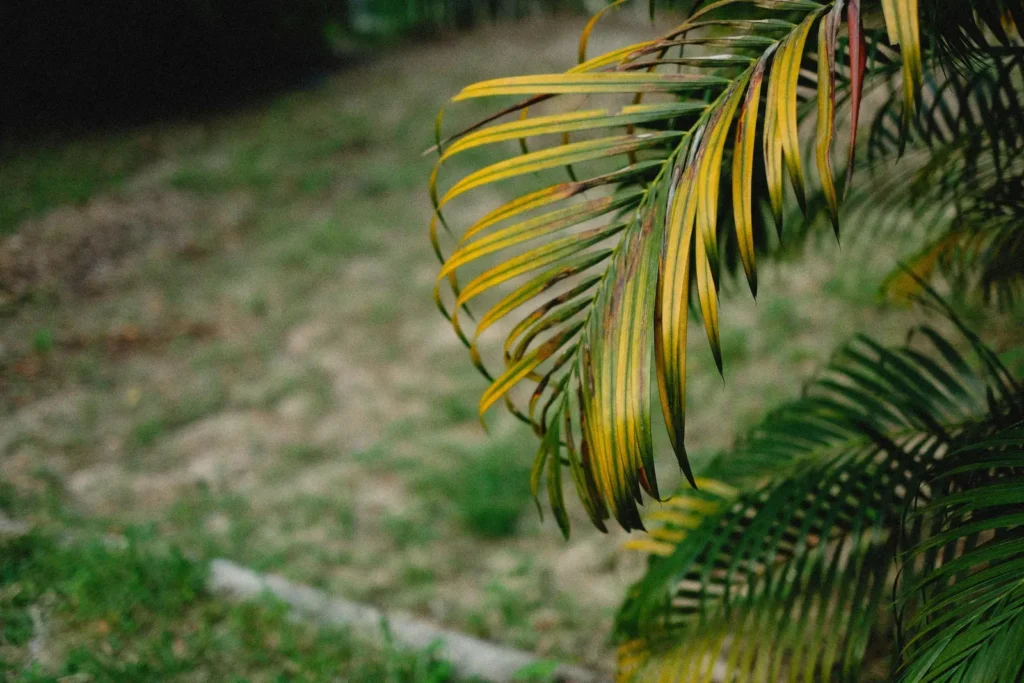
Nothing is more disheartening for a plant lover than walking out to a balcony or backyard and seeing a sea of yellow where lush green used to be. You spend hours nurturing your plants, only to watch them fade. If you live in Pune, you know that our specific climate—ranging from dry heat to heavy monsoons—can make plant care tricky. You might ask yourself, “What am I doing wrong?”
At Interioforest, we understand this frustration. As experts providing Gardening Services in Pune, we see this issue daily. Yellow leaves are a cry for help from your plants. They signal that something in the plant’s environment isn’t right. Fortunately, most causes are treatable if you catch them early.
In this guide, we will share essential home gardening tips to help you diagnose and fix yellowing leaves. Whether you manage a small balcony garden in Baner or a sprawling lawn in Koregaon Park, these strategies will restore your plant health. Let’s dive into the science and art of keeping your garden green.
Understanding Why Leaves Turn Yellow (Chlorosis)
Before we jump into the solutions, we must understand the problem. In the gardening world, the yellowing of leaves is technically called chlorosis. This occurs when leaves lack chlorophyll, the pigment that allows them to absorb sunlight and produce food.
While it sounds technical, the causes are usually simple environmental factors. As a provider of Gardening Services in Pune, we usually trace the issue back to water, nutrition, or light. However, identifying the specific cause requires a bit of detective work.
Your plants communicate through their leaves. Is the yellowing happening at the bottom of the plant? Is it only on new growth? Are the veins green while the rest of the leaf is yellow? Paying attention to these signs will guide your garden maintenance strategy.
Water Management: The Most Common Culprit
Water issues are responsible for the vast majority of plant problems. In Pune, where temperatures can soar before suddenly dropping during the rains, maintaining a consistent watering schedule is vital.
The Dangers of Overwatering
Many enthusiastic gardeners kill their plants with kindness. Overwatering is the number one cause of yellow leaves. When soil remains soggy, air cannot reach the roots. This leads to suffocation and eventually root rot.
When roots rot, they cannot transport water or nutrients to the upper parts of the plant. Paradoxically, a plant suffering from too much water often looks like it is drying out. The leaves turn yellow and soft, often dropping off easily.
To prevent this, ensure your pots have excellent drainage. If you are using plastic pots, check that the holes aren’t blocked. For Pune’s climate, we often recommend terracotta pots for outdoor plants as they allow the soil to breathe better.
Addressing Drainage Issues
If you notice water pooling on the surface of your soil, you likely have drainage issues. This is common in the heavy clay soils often found in our region. To fix this, you may need to amend your soil with perlite or river sand to improve aeration.
Underwatering and Dehydration
On the flip side, Pune’s dry heat, especially in months like April and May, can dry out soil faster than you expect. Underwatering usually causes leaves to turn yellow, dry, and crispy at the edges. The leaves may curl upward as the plant tries to conserve moisture.
Home gardening tips for watering:
- The Finger Test: Before watering, stick your finger an inch into the soil. If it feels dry, add water. If it is damp, wait.
- Water Deeply: Water until liquid comes out of the drainage holes. This ensures the entire root system gets moisture.
- Time it Right: Water early in the morning or late evening to prevent evaporation.
Nutrient Deficiencies and Soil Health
Plants need a balanced diet just like humans do. If your watering habits are perfect, but the leaves are still turning yellow, you are likely dealing with a nutrient deficiency. At Interioforest, our Gardening Services in Pune often involve soil testing and amendment because local soil can become depleted over time.
Nitrogen Deficiency
Nitrogen is essential for green, leafy growth. A nitrogen deficiency typically shows up as a general yellowing of older, lower leaves first. The plant sacrifices the old leaves to send limited nitrogen to new growth.
To fix this, apply a balanced fertilizer or add organic compost. Coffee grounds are a great home remedy to add a nitrogen boost to your soil.
Potassium and Magnesium
If leaf edges turn bright yellow but the inner leaf stays green, you might lack potassium. If you see yellowing between the veins (interveinal chlorosis) on older leaves, it could be a magnesium deficiency. Epsom salts mixed with water can often resolve magnesium issues quickly.
The Role of Iron
Iron deficiency is common in indoor plants and those grown in alkaline soils. This presents as yellowing on new leaves while the veins remain dark green. This is a classic sign that your plant needs chelated iron or a soil acidifier.
Importance of Soil pH
Your soil’s acidity level, or soil pH, dictates how well plants can absorb nutrients. If the pH is too high (alkaline) or too low (acidic), nutrients might be present in the soil but “locked out” from the plant.
Most plants prefer a slightly acidic to neutral pH (6.0 to 7.0). Simple pH testing kits are available, or you can consult professionals like us. Adjusting your potting mix with lime (to raise pH) or sulfur (to lower pH) can solve persistent yellowing.
Lighting: Finding the Sweet Spot
Lighting is a critical factor that many new gardeners overlook. Pune enjoys abundant sunshine, but not all plants can handle the intensity of our midday sun.
Sunlight Requirements
Understanding specific sunlight requirements is crucial.
- Too much light: Sunscald can bleach leaves, turning them white or yellow with crispy brown spots. This often happens if you move a shade-loving plant to a sunny balcony too quickly.
- Too little light: Plants that don’t get enough energy from the sun will fail to produce chlorophyll. The leaves will turn a pale, sickly yellow and may drop off.
If you have a balcony garden facing west, the afternoon sun might be too harsh for delicate plants like ferns or peace lilies. Consider using a green shade net or moving sensitive plants to a shadier corner. Conversely, ensure your sun-loving hibiscus and roses get at least 6 hours of direct light.
Temperature Stress and Seasonal Changes
Plants are creatures of habit. They dislike sudden changes. Seasonal gardening in Pune requires adapting to three distinct phases: the hot summer, the humid monsoon, and the mild winter.
Cold Drafts and Heat Waves
Sudden temperature fluctuations cause stress. In winter, even though Pune doesn’t freeze, cold drafts near windows can shock tropical indoor plants, causing them to yellow and drop leaves.
Similarly, during summer heatwaves, the sheer heat stress can cause rapid moisture loss. Mulching your soil with organic matter helps regulate root temperature and keeps moisture levels consistent.
Acclimatization
When you bring a new plant home from a nursery, it might drop a few leaves and turn slightly yellow. This is normal shock. Give it time to adjust to its new environment without drastically changing its watering or feeding routine immediately.
Pests and Diseases
Uninvited guests are a nightmare for any gardener. Pest control is a significant part of keeping leaves green. In Pune’s urban environment, pests thrive in the warm climate.
Common Pests Causing Yellowing
- Aphids and Mealybugs: These sap-sucking insects attach themselves to the undersides of leaves or stems, draining the plant’s juices. This causes leaves to distort and turn yellow.
- Spider Mites: These are tiny and hard to see. They leave fine webbing and cause tiny yellow stippling spots on leaves.
Fungal Diseases
Fungal infections, often caused by poor air circulation and high humidity, can manifest as yellow spots or rings on leaves. Leaf spot and powdery mildew are common culprits.
Home gardening tips for pests:
- Inspect your plants weekly, looking under leaves.
- Wipe leaves with a damp cloth to remove dust and pests.
- Use neem oil as a natural, safe pesticide.
- Isolate infected plants immediately to prevent spread.
Proper Fertilization Techniques
Feeding your plants is essential, but there is a right and wrong way to do it. Improper fertilizer application can burn roots, leading to—you guessed it—yellow leaves.
Don’t Over-Fertilize
More is not always better. Excessive fertilizer causes salt buildup in the soil, which dehydrates roots and causes leaf margins to turn yellow and brown. This is often called “fertilizer burn.”
Always follow the instructions on the package. We generally recommend using organic slow-release fertilizers for home gardening tips that are safe and sustainable. During the dormant winter season, reduce feeding as plants grow slower and need fewer nutrients.
The Importance of Pruning
Regular grooming keeps your plants healthy. Proper pruning techniques improve air circulation and encourage fresh, green growth.
If a leaf has turned completely yellow, it will not turn green again. It is a drain on the plant’s resources. Snip it off with clean, sharp scissors. This improves the plant’s appearance and redirects energy to healthy leaves and new buds.
However, be careful not to remove too many leaves at once. Removing more than 20% of the foliage can shock the plant.
Why Choose Professional Gardening Services in Pune?
While these home gardening tips are effective, maintaining a garden requires time, patience, and consistent effort. Life in Pune is fast-paced, and sometimes you might not have the bandwidth to manage soil pH balances or pest infestations.
This is where Interioforest steps in. We are the premier choice for Gardening Services in Pune because we combine passion with scientific expertise.
What We Offer
- Customized Garden Setup: Whether you have a small terrace or a large corporate campus, we design green spaces that thrive in local conditions.
- Maintenance Packages: We handle the watering schedule, pruning, and fertilizing so you can simply enjoy the view.
- Plant Doctor Services: If your garden is struggling with leaf discoloration, our experts diagnose the issue and treat it effectively.
- Landscaping: We transform empty spaces into lush, green sanctuaries.
We don’t just water plants; we nurture ecosystems. Our team understands the micro-climates of Pune and selects plants that are guaranteed to flourish.
Expert Summary Checklist
To recap, here is your quick checklist to prevent yellow leaves:
- Check Moisture: Use the finger test to avoid overwatering.
- Inspect Drainage: Ensure pots are not sitting in water.
- Assess Light: Move plants if they are getting scorched or starved of light.
- Feed Wisely: Address nutrient deficiency with balanced fertilizers.
- Look for Pests: Check for bugs and treat with neem oil.
- Test Soil: Monitor soil pH for optimal nutrient absorption.
Conclusion
Yellow leaves are nature’s warning light, but they don’t have to be the end of your garden. By paying attention to water, light, and nutrition, you can reverse the damage and enjoy a vibrant, green space. Gardening is a journey of learning, and every yellow leaf teaches you something new about your plants.
However, if you feel overwhelmed or the problem persists despite your best efforts, don’t let your garden fade away. Professional help is just a call away.
Ready to transform your space?
Contact Interioforest today. Let us handle the dirt while you enjoy the blooms. As the leading provider of Gardening Services in Pune, we are dedicated to bringing nature closer to you.
Click here to book a consultation with our expert gardeners!