
magine stepping into your balcony or backyard and plucking a fresh, juicy mango right from the tree. This dream is more achievable than you might think, even in a bustling city like Pune. Creating a fruit garden at home is a rewarding experience that offers fresh, organic produce and a touch of nature. If you’re looking for the best fruit plants for home garden India, you’ve come to the right place. We’ll explore ten fantastic options that thrive in our local climate. And if you need a hand getting started, Interioforest provides an expert Gardening service in Pune to help you cultivate the garden of your dreams.
Growing your own fruit can seem daunting. You might worry about soil preparation, pests, or simply not having a green thumb. But with the right selection of plants and a bit of guidance, you can enjoy a bountiful harvest. This guide is designed to help you choose the perfect fruit plants that are well-suited for home gardens, whether you have a spacious terrace or a small, sunny balcony. We’ll cover everything from easy-to-grow favorites to unique tropical delights.
Why Start a Fruit Garden in Pune?
Pune’s climate, with its distinct summers, monsoons, and mild winters, is ideal for growing a wide variety of fruit-bearing plants. The joy of homegrown produce goes beyond just taste. You have complete control over what goes into your food, ensuring it’s free from harmful pesticides. It’s a fantastic way to connect with nature, reduce stress, and even get some light physical activity.
Moreover, a well-maintained garden enhances the beauty of your home. Imagine lush green foliage and vibrant fruits adding color and life to your space. It’s an investment in both your health and your home’s aesthetic appeal. For those with busy schedules, our Gardening service in Pune can handle the heavy lifting, from initial setup to ongoing plant care.
10 Best Fruit Plants for Your Indian Home Garden
Let’s dive into the top fruit plants that you can easily grow in your Pune home. We’ve selected these based on their adaptability, yield, and ease of care.
1. Mango (Mangifera indica)
No Indian fruit list is complete without the king of fruits. Mango trees are surprisingly adaptable and can be grown in large containers on a terrace.
- Why it’s great: Dwarf varieties like Amrapali are perfect for container gardening. They produce delicious fruit without taking up too much space.
- Growing Tips: Mango trees require at least 6-8 hours of direct sunlight daily. Use well-draining soil rich in organic matter. Water regularly, but avoid waterlogging. Pruning after the fruiting season helps maintain shape and encourages new growth.
- Harvesting: Depending on the variety, you can expect fruit within 3-5 years.
2. Papaya (Carica papaya)
Papaya is one of the fastest-growing fruit trees, often producing fruit within the first year. It’s an excellent choice for beginners.
- Why it’s great: It provides a quick and rewarding harvest. The fruit is packed with vitamins and enzymes beneficial for digestion.
- Growing Tips: Papayas love the sun and need rich, loamy soil. They are heavy feeders, so regular application of fertilizer is essential. Ensure your pot has excellent drainage, as papaya roots are prone to rot.
- Harvesting: Fruits are ready to be picked when they turn from deep green to a yellowish-green.
3. Guava (Psidium guajava)
Hardy and prolific, the guava tree is a staple in many Indian home gardens. Its ability to thrive with minimal care makes it a top contender.
- Why it’s great: Guava plants are drought-tolerant and can handle Pune’s hot summers. They can be grown in the ground or in large pots.
- Growing Tips: Full sun is a must for good fruit production. While they tolerate various soil types, well-draining soil is best. Light pruning helps promote bushier growth and more fruit. Keep an eye out for common pests like fruit flies.
- Harvesting: Guavas are ready when they turn light green or yellow and have a sweet fragrance.
4. Banana (Musa)
Bring a tropical vibe to your garden with a banana plant. Dwarf varieties like ‘Dwarf Cavendish’ are perfect for home gardeners.
- Why it’s great: They are relatively easy to grow and add a lush, dramatic look to your garden with their large leaves.
- Growing Tips: Bananas are water and nutrient-hungry. They need consistently moist soil and regular feeding with a balanced fertilizer. Protect them from strong winds, which can shred their leaves.
- Harvesting: A bunch of bananas is typically ready 9-12 months after planting. The plant dies after fruiting, but new suckers will grow to replace it.
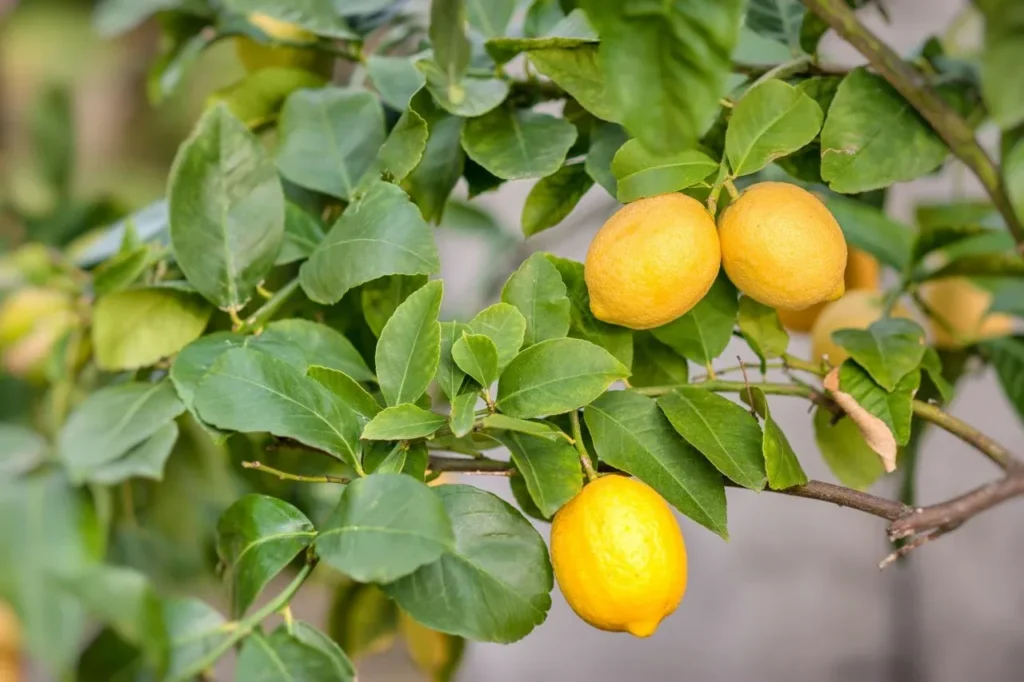
5. Lemon/Lime (Citrus limon/Citrus aurantiifolia)
Having a lemon or lime tree at home means a constant supply of fresh citrus for your drinks and dishes. They are perfect for potting mixes on a sunny balcony.
- Why it’s great: These compact trees are highly productive and fragrant. The blossoms have a beautiful scent.
- Growing Tips: Citrus trees need at least 6 hours of sunlight. Use a potting mix designed for citrus or a general well-draining mix. Water deeply but allow the soil to dry out slightly between waterings. Feed them with a citrus-specific fertilizer during the growing season.
- Harvesting: Lemons and limes can be harvested when they reach a good size and have a rich color.
6. Chikoo/Sapodilla (Manilkara zapota)
Chikoo is a low-maintenance, ornamental tree that produces sweet, grainy fruit. It’s a wonderful addition to any garden.
- Why it’s great: It’s a hardy tree that is wind and salt-tolerant, making it a robust choice. The slow-growing nature makes it manageable.
- Growing Tips: Chikoo trees prefer a sunny spot and well-drained soil. They are relatively drought-tolerant once established but benefit from regular watering during the fruiting season.
- Harvesting: The fruit is ready when it turns brownish and separates easily from the stem. A slight scratch on the skin should reveal a non-greenish pulp.
7. Pomegranate (Punica granatum)
Known for its jewel-like seeds, the pomegranate is both beautiful and nutritious. Dwarf varieties can be grown as attractive shrubs in containers.
- Why it’s great: Pomegranates are drought-tolerant and thrive in hot, dry climates like Pune’s. The plant’s vibrant red flowers are a bonus.
- Growing Tips: They require full sun and well-draining soil. Avoid overwatering, which can lead to fruit splitting. A balanced fertilizer applied in spring can boost growth.
- Harvesting: Fruits are ready when they develop a deep color and make a metallic sound when tapped.
8. Fig (Ficus carica)
Figs are delicious, easy to grow, and produce two crops a year. They are an excellent choice for container gardening.
- Why it’s great: Fig trees are fast-growing and can produce fruit in their first or second year. They are relatively pest-free.
- Growing Tips: Plant your fig tree in a large container with good drainage and place it in a spot that gets plenty of morning sun. Regular watering is key, especially when fruits are developing. Pruning in winter encourages a better harvest.
- Harvesting: Figs are ready when they soften and droop on the stem.
9. Star Fruit (Averrhoa carambola)
This unique, star-shaped fruit grows on a small, attractive tree. It’s a conversation starter and a delicious treat.
- Why it’s great: The tree is ornamental and produces fruit several times a year. It’s perfect for adding a tropical flair to your terrace garden.
- Growing Tips: Star fruit trees prefer a sunny location and rich, loamy soil with good drainage. They are not drought-tolerant and require regular watering. Protect young plants from strong winds.
- Harvesting: Harvest the fruit when it turns a vibrant yellow and the ribs are fleshy.
10. Mulberry (Morus)
If you’re looking for a plant that’s incredibly easy to grow and produces fruit quickly, look no further than the mulberry.
- Why it’s great: It grows more like a bush and can be kept compact with regular pruning. It fruits profusely and attracts birds to your garden.
- Growing Tips: Mulberries are not fussy about soil and can grow in full sun or partial shade. Water regularly, especially during dry spells.
- Harvesting: The berries are ready when they turn from red to a deep, dark purple. They are delicate, so handle them with care.
What Our Customers in Pune Say
“I always wanted a fruit garden but had no idea where to start. Interioforest’s team came in, assessed my balcony space, and set up a beautiful container garden with mango, lemon, and guava plants. Their Gardening service in Pune is top-notch!” – Anjali S., Kothrud
“The team at Interioforest is incredibly knowledgeable. They helped me solve a pest problem with my pomegranate tree and provided great tips on fertilizer use. My plants have never been healthier!” – Rohan P., Viman Nagar
Getting Started with Your Home Fruit Garden
Ready to begin your gardening journey? Here are a few essential steps:
- Assess Your Space: Determine how much sunlight your balcony, terrace, or yard receives. Most fruit plants need at least 6 hours of direct sun.
- Choose Your Plants: Select from the list of the best fruit plants for home garden India based on your space and preferences. Start with one or two easy ones like papaya or lemon.
- Get the Right Supplies: You’ll need containers with drainage holes, a quality potting mix, and basic gardening tools.
- Prepare the Soil: Good soil preparation is crucial. Use a mix of garden soil, compost, and cocopeat to ensure good drainage and nutrition.
- Planting and Care: Follow the specific planting instructions for each fruit tree. Regular watering, feeding, and pest management will ensure your plants flourish.
This process can be overwhelming, which is why professional help can make all the difference. At Interioforest, our Gardening service in Pune covers everything from landscape design to garden maintenance, ensuring you have a thriving, productive garden without the hassle.
Frequently Asked Questions (FAQs)
Q: How much space do I need to grow fruit plants?
A: You don’t need a large backyard! Many dwarf varieties of mango, citrus, and guava are perfect for container gardening on a balcony or terrace. A sunny spot is the most important requirement.
Q: What is the best time to plant fruit trees in Pune?
A: The onset of the monsoon season (June-July) is the ideal time for planting. The consistent moisture helps the plants establish their root systems.
Q: How often should I fertilize my fruit plants?
A: This depends on the plant. Generally, it’s good practice to feed your plants with a balanced organic fertilizer or compost every 2-3 months during the growing season.
Q: I have a busy schedule. Can I still have a fruit garden?
A: Absolutely! Many of these plants are low-maintenance. For those who need extra help, Interioforest offers a comprehensive Gardening service in Pune, including regular garden maintenance to keep your plants healthy.
Q: How do I deal with pests organically?
A: A solution of neem oil and water is an excellent organic pesticide for common pests like aphids and mealybugs. Promoting beneficial insects by planting flowering herbs can also help with pest control.
Let’s Grow Together
Creating a garden filled with fruit-bearing trees is a journey that brings immense satisfaction. The taste of a fresh, homegrown mango or the convenience of plucking a lemon for your morning tea is unparalleled. With the right knowledge and a little effort, you can turn any sunny corner of your home into a productive oasis.
If you’re in Pune and ready to start your own fruit garden, Interioforest is here to help. Our team of experts provides everything you need, from consultation and landscape design to installation and ongoing maintenance. We make it easy for you to enjoy the benefits of having the best fruit plants for home garden India right at your doorstep.
Contact Interioforest today to schedule a consultation for our expert Gardening service in Pune and take the first step toward your delicious, homegrown harvest!