
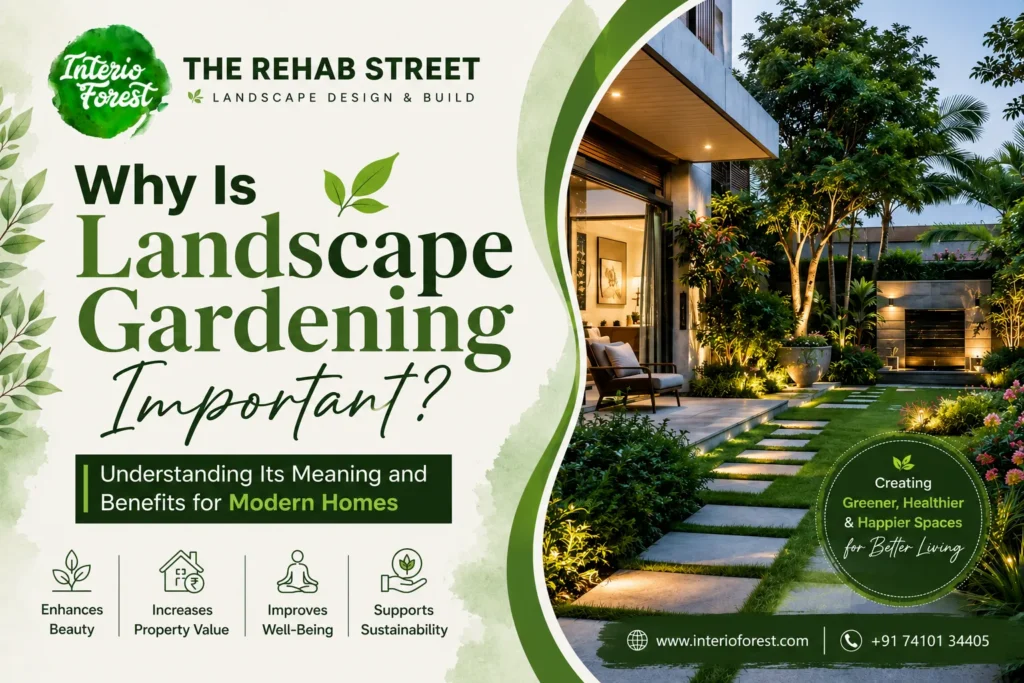
In today’s fast-paced urban lifestyle, homeowners are increasingly looking for ways to reconnect with nature without leaving the comfort of their homes. One of the most effective ways to achieve this balance is through landscape gardening. More than just planting flowers or maintaining a lawn, landscape gardening transforms outdoor spaces into functional, beautiful, and environmentally beneficial extensions of the home.
Whether you own a compact urban property or a spacious villa, landscape gardening can significantly improve your quality of life. It enhances aesthetics, increases property value, supports environmental sustainability, and creates spaces that encourage relaxation and well-being.
But what exactly is landscape gardening, and why has it become so important for modern homes? Let’s explore.
What Is Landscape Gardening?
Landscape gardening is the art and science of designing, planning, and maintaining outdoor spaces to create visually appealing and practical environments. It combines natural elements such as plants, trees, shrubs, lawns, and water features with man-made elements like pathways, patios, lighting, and seating areas.
The primary goal of landscape gardening is to create harmony between nature and architecture while ensuring the outdoor space serves a purpose.
Unlike traditional gardening, which focuses mainly on plant cultivation, landscape gardening emphasizes overall design, functionality, environmental impact, and long-term sustainability.
Why Is Landscape Gardening Important?
Landscape gardening offers benefits that extend far beyond appearance. It positively impacts homeowners, communities, and the environment.
1. Enhances the Beauty of Your Home
First impressions matter, and your outdoor space is the first thing visitors notice. A thoughtfully designed landscape creates an inviting and attractive appearance that complements your home’s architecture.
Features such as flowering plants, ornamental trees, decorative pathways, and green lawns can dramatically improve curb appeal and make your property stand out.
A beautiful landscape also creates a sense of pride and satisfaction for homeowners, making the home feel complete and welcoming.
2. Increases Property Value
Real estate experts consistently highlight the importance of outdoor aesthetics in determining property value.
Research shows that professionally landscaped homes often command higher market prices compared to similar properties without landscaping. Buyers are naturally drawn to homes that offer appealing outdoor living spaces because they see them as an extension of the home’s usable area.
A well-maintained landscape can become a long-term investment that delivers significant returns when it comes time to sell.
3. Improves Mental Health and Well-Being
Modern lifestyles often involve long hours indoors, excessive screen time, and increased stress levels. Access to green spaces has been shown to have a positive impact on mental health.
Landscape gardening creates peaceful outdoor environments where homeowners can relax, meditate, read, or spend quality time with family.
Benefits include:
- Reduced stress and anxiety
- Improved mood
- Better concentration
- Enhanced emotional well-being
- Increased connection with nature
Even a small garden can provide a calming retreat from daily pressures.
4. Promotes Environmental Sustainability
Landscape gardening plays a vital role in creating environmentally responsible living spaces.
Plants absorb carbon dioxide and release oxygen, helping improve air quality. Trees provide shade that reduces heat absorption and lowers energy consumption.
Sustainable landscape practices can also include:
- Rainwater harvesting
- Native plant selection
- Water-efficient irrigation systems
- Organic gardening techniques
- Soil conservation methods
These strategies help reduce environmental impact while supporting local ecosystems.
5. Supports Biodiversity
Urban development often reduces natural habitats for birds, butterflies, bees, and other beneficial wildlife.
A thoughtfully designed landscape garden can help restore biodiversity by providing food, shelter, and breeding grounds for various species.
Native flowering plants attract pollinators, while trees and shrubs offer nesting opportunities for birds. This creates a healthier and more balanced local ecosystem.
6. Creates Functional Outdoor Living Spaces
Modern homeowners increasingly view outdoor areas as extensions of their indoor living spaces.
Landscape gardening can transform unused outdoor areas into functional zones such as:
- Outdoor dining spaces
- Entertainment areas
- Children’s play zones
- Meditation gardens
- Barbecue areas
- Reading corners
- Home office retreats
By improving functionality, landscape gardening allows homeowners to maximize the use of their property.
7. Improves Air Quality
Plants act as natural air filters by trapping dust, pollutants, and airborne particles.
Trees and shrubs can reduce pollution levels around homes, especially in urban environments where vehicle emissions and construction activities contribute to poor air quality.
Improved air quality contributes to better respiratory health and creates a healthier living environment for families.
8. Helps Regulate Temperature
One of the lesser-known benefits of landscape gardening is its ability to regulate temperature around a home.
Trees provide shade that reduces heat gain during summer, while strategic planting can act as windbreaks during colder months.
This natural temperature control can lead to:
- Lower cooling costs
- Reduced energy consumption
- Greater indoor comfort
- Improved environmental efficiency
In cities experiencing rising temperatures, landscape gardening can help combat the urban heat island effect.
9. Encourages Outdoor Activities
A well-designed garden motivates people to spend more time outdoors.
Whether it’s gardening, walking, exercising, playing with children, or simply enjoying fresh air, landscaped spaces encourage healthier and more active lifestyles.
Regular exposure to outdoor environments has been linked to improved physical health, better sleep patterns, and increased overall happiness.
10. Reduces Noise Pollution
Landscape elements such as dense hedges, trees, shrubs, and green walls can act as natural sound barriers.
For homes located near busy roads or crowded urban areas, landscape gardening helps reduce unwanted noise and creates a quieter, more peaceful atmosphere.
This contributes significantly to residential comfort and quality of life.
Key Elements of Landscape Gardening
Successful landscape gardening involves several important components:
Softscaping
Softscaping refers to the living elements of a landscape, including:
- Trees
- Shrubs
- Flowers
- Ground covers
- Lawns
These elements provide color, texture, and natural beauty.
Hardscaping
Hardscaping includes non-living structures such as:
- Pathways
- Patios
- Decks
- Retaining walls
- Pergolas
- Seating areas
These features add functionality and structure to outdoor spaces.
Water Features
Water elements such as fountains, ponds, and waterfalls create visual interest while enhancing tranquility and relaxation.
Outdoor Lighting
Strategic lighting improves safety, extends usability after sunset, and highlights key landscape features.
Landscape Gardening Trends for Modern Homes
As homeowner preferences evolve, several landscape gardening trends are gaining popularity:
Sustainable Landscaping
Eco-friendly designs focus on water conservation, native plants, and low-maintenance gardens.
Vertical Gardens
Ideal for smaller properties, vertical gardens maximize greenery without requiring large ground areas.
Smart Irrigation Systems
Technology-driven irrigation solutions help conserve water while maintaining healthy plants.
Outdoor Wellness Spaces
Meditation gardens, yoga decks, and relaxation zones are becoming increasingly popular.
Edible Gardens
Many homeowners now integrate vegetables, herbs, and fruit-bearing plants into their landscapes for both aesthetic and practical benefits.
Why Landscape Gardening Matters in Growing Urban Cities
Rapid urbanization often leads to shrinking green spaces and increasing environmental challenges.
In cities like Pune, where residential developments continue to expand, landscape gardening plays an important role in maintaining ecological balance and improving quality of life.
Well-designed landscapes help manage heat, improve air quality, reduce stormwater runoff, and create healthier living environments for residents.
As urban areas become denser, the value of thoughtfully planned outdoor spaces continues to grow.
Conclusion
Landscape gardening is far more than an aesthetic upgrade. It is an investment in health, sustainability, property value, and overall well-being. By combining natural beauty with functional design, landscape gardening creates outdoor spaces that enrich daily life while supporting environmental responsibility.
Whether you have a small backyard, a terrace, or a large residential property, thoughtful landscape design can transform underutilized areas into vibrant, meaningful spaces. As modern homeowners seek healthier and more sustainable lifestyles, landscape gardening has become an essential component of contemporary living.
Ready to Transform Your Outdoor Space?
A professionally planned landscape can enhance your home’s beauty, functionality, and long-term value while creating a healthier environment for your family.
If you’re looking for expert guidance on creating sustainable and visually stunning outdoor spaces, explore the landscaping solutions offered by Interioforest. Learn more about their Landscaping Services in Pune or get in touch through their Contact Us page to discuss your landscaping goals and bring your dream outdoor space to life.