
Imagine walking out to your balcony or backyard in Pune and plucking a ripe, juicy mango or a handful of sweet strawberries. There is something deeply satisfying about growing your own food. It connects us to nature and provides the freshest produce imaginable. If you have been dreaming of creating a lush, edible oasis, you are in the right place. This guide covers everything you need to know about selecting and caring for the best fruit plants for home garden India.
Whether you have a sprawling lawn in Koregaon Park or a cozy balcony in Baner, growing fruit is possible with the right approach. While the Indian climate is generally favorable, specific care is needed to ensure your plants thrive. At Interioforest, we specialize in transforming green spaces into productive havens. Let’s dive into how you can start your own fruit garden today.
Why Grow Fruit Plants at Home?
Growing your own fruit isn’t just about the harvest; it is about the journey. Home gardening offers numerous benefits beyond saving money on grocery bills. It ensures your food is free from harmful pesticides and waxes often found on store-bought produce. Plus, the taste of a sun-ripened guava or custard apple picked fresh from the tree is incomparable.
Furthermore, gardening is a fantastic stress reliever. Tending to plants, watering them, and watching them grow can be incredibly therapeutic after a busy week. For those living in urban environments, creating a kitchen garden helps improve air quality and reduces your carbon footprint. If you need help setting this up, professional Gardening Services in Pune can provide the expertise to get you started on the right foot.
Selecting the Right Fruit Plants for Pune’s Climate
Pune enjoys a moderate climate, which is great for a wide variety of plants. However, choosing the right species is crucial for success. You want plants that can handle the warm summers and the monsoon rains.
1. Mango (Mangifera indica)
The king of fruits needs no introduction. While traditional mango trees require space, dwarf varieties like Amrapali are excellent for container gardening. They produce delicious fruit without taking over your entire garden.
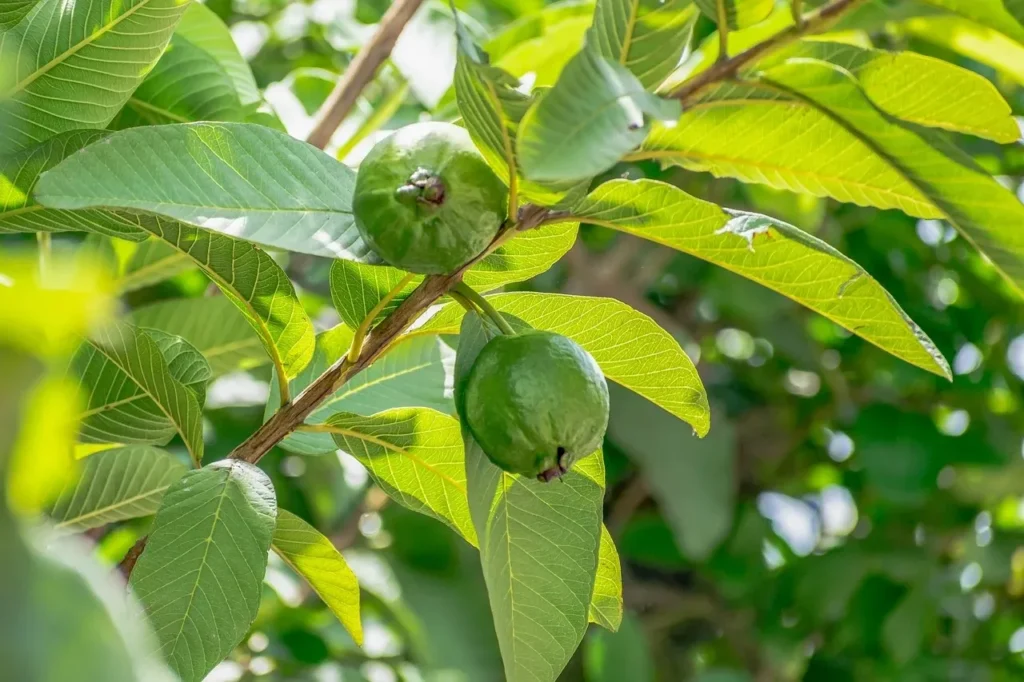
2. Guava (Psidium guajava)
Guavas are hardy and relatively easy to grow. Varieties like Allahabad Safeda or L-49 are popular choices. They respond well to pruning techniques, allowing you to keep them at a manageable size.
3. Pomegranate (Punica granatum)
This is a fantastic choice for Pune’s climate. Pomegranates love the sun and are somewhat drought-tolerant once established. The ‘Bhagwa’ variety is famous for its deep red arils and sweet taste.
4. Lemon and Lime (Citrus limon)
No Indian garden is complete without a lemon tree. They are perfect for pot culture and provide a year-round supply of Vitamin C. The Kagzi lime is a local favorite that performs exceptionally well here.
5. Custard Apple (Annona squamosa)
Sitaphal, or Custard Apple, thrives in the rocky, well-draining soils often found in the Deccan plateau. They require minimal maintenance and are highly resistant to pests.
6. Papaya (Carica papaya)
If you want quick results, papaya is the way to go. Hybrid varieties can start fruiting in as little as 6 to 9 months. They require good drainage to prevent root rot.
7. Chikoo (Manilkara zapota)
Also known as Sapota, this tree is incredibly resilient. The Cricket Ball variety produces large, round fruits that are sugary sweet. It is a slow grower but a long-term asset to any garden.
Preparing Your Soil for Success
The foundation of any healthy plant is the soil. In urban settings, existing soil might be compacted or nutrient-poor. To grow the best fruit plants for home garden India, you must amend your soil.
Soil Composition
Fruit plants generally prefer well-draining, loamy soil. A good potting mix typically consists of garden soil, river sand, and organic matter in a 2:1:1 ratio. This ensures that water drains away freely while retaining enough moisture for the roots.
Improving Fertility
Enrich your soil with organic fertilizers like vermicompost or well-rotted cow manure. These add essential nutrients and improve soil structure. For acid-loving plants like lemons, you might need to adjust the soil pH slightly. Using neem cake powder is also a great trick; it acts as a fertilizer and keeps soil-borne pests at bay.
If preparing soil sounds daunting, remember that Gardening Services in Pune offered by Interioforest include soil testing and preparation to ensure your saplings have the best start possible.
Planting Techniques for Maximum Growth
Once you have your saplings and soil ready, it is time to plant. Proper planting ensures that your fruit trees establish strong root systems.
Container vs. Ground Planting
If you have limited space, terrace gardening using containers is a brilliant option. Ensure your pots are large enough (at least 18-24 inches wide and deep) to accommodate root growth. Use terracotta or plastic pots with adequate drainage holes.
For ground planting, dig a pit that is twice as wide and deep as the root ball of the sapling. Fill the pit with your prepared soil mix and let it settle for a few days before planting.
The Planting Process
- Watering: Water the sapling in its nursery bag a few hours before planting.
- Removal: Gently remove the plant from the bag without disturbing the root ball.
- Placement: Place the plant in the center of the pot or pit. The top of the root ball should be level with the soil surface.
- Filling: Fill the gaps with soil and press down gently to remove air pockets.
- Staking: If the plant is tall or spindly, use a wooden stake for support.
Essential Care and Maintenance Tips
Planting is just the beginning. Consistent care is what turns a sapling into a fruit-bearing tree. Here is how to maintain your garden.
Watering Wisdom
Watering needs vary depending on the season. During Pune’s hot summers, you might need to water daily. However, overwatering is a common mistake. Ensure the top inch of soil is dry before watering again. Implementing drip irrigation can save water and ensure deep hydration for the roots.
Sunlight Requirements
Most fruit plants are sun-lovers. They need at least 6-8 hours of direct sunlight daily to produce sweet fruit. Observe your garden or balcony to find the sunniest spots. If you have shady areas, consider shade-tolerant plants, though most fruit bearing trees struggle without sun.
Fertilization Schedule
Fruit plants are heavy feeders. Apply a balanced fertilizer every 4-6 weeks during the growing season. Organic compost is excellent for slow-release nutrition. You can also use liquid seaweed fertilizer as a foliar spray to boost growth. Avoid fertilizing during the dormant winter months.
Pruning and Training
Regular pruning keeps trees healthy and productive. Remove dead or diseased branches immediately. For fruit trees, pruning opens up the canopy to sunlight and airflow, reducing the risk of fungal diseases. It also encourages the growth of fruit-bearing spurs.
Managing Pests and Diseases Naturally
Pests are a part of gardening, but they do not have to ruin your harvest. In an urban garden, it is best to use eco-friendly methods.
Common Pests
Aphids, mealybugs, and spider mites are common culprits. Keep an eye out for curled leaves or sticky residue on stems.
Organic Solutions
- Neem Oil Spray: A mixture of neem oil, water, and a drop of dish soap is a potent deterrent for many insects.
- Companion Planting: Planting marigolds or basil near your fruit trees can repel pests naturally.
- Manual Removal: For larger pests like caterpillars, handpicking is often effective.
If an infestation gets out of hand, professional Gardening Services in Pune can help diagnose and treat the issue without resorting to harsh chemicals that might harm your family or pets.
Specialized Care for Popular Fruits
Different plants have different quirks. Here is a quick breakdown of specific needs for some top choices.
Mango Care
Mango trees dislike wet feet. Ensure excellent drainage. Young trees need protection from intense afternoon sun for the first year. Watch out for mango hoppers during the flowering season.
Citrus Care
Lemons and limes are hungry plants. They need regular feeding with nitrogen-rich fertilizers. Yellowing leaves often indicate a nutrient deficiency, usually iron or magnesium.
Pomegranate Care
Pomegranates are tough but susceptible to fruit borers. Bagging the developing fruits with muslin cloth can protect them effectively. They thrive in dry climates but appreciate consistent moisture during fruit development.
The Role of Pollination
Many fruit plants rely on pollinators to set fruit. Bees and butterflies are your best friends in the garden. To attract them, plant flowering species alongside your fruits. Avoid using chemical pesticides that might harm these beneficial insects.
Some plants, like certain varieties of papaya, may need male and female plants to produce fruit. However, most modern grafted saplings used for home gardens are self-pollinating or bisexual, simplifying the process for beginners.
Harvesting Your Bounty
Patience is key. It might take a year or two for young saplings to start fruiting. When harvest time comes, pick fruits when they are fully ripe for the best flavor. For mangoes and papayas, you can harvest them when they start changing color and let them ripen indoors.
Enjoying a fruit salad made entirely from your own garden is a reward worth waiting for. It is a tangible result of your hard work and care.
Transforming Your Space with Professional Help
Setting up a fruit garden can be labor-intensive. From sourcing quality plant saplings to preparing the right soil mix and installing irrigation, there are many moving parts. This is where Interioforest comes in.
We understand the unique challenges of gardening in Pune. Our team provides comprehensive landscape design and maintenance solutions tailored to your space. Whether you need a vertical garden setup for your balcony or a full orchard plan for your bungalow, we are here to help.
Why Choose Professional Services?
- Expert Knowledge: We know which varieties thrive in specific Pune neighborhoods.
- Time-Saving: We handle the heavy lifting, digging, and sourcing.
- Ongoing Support: Our maintenance packages ensure your garden stays healthy year-round.
- Pest Management: We identify and treat issues before they become disasters.
Conclusion
Cultivating the best fruit plants for home garden India is a journey of learning and joy. It brings life to your home and health to your family. With the right selection, soil preparation, and care, you can enjoy a bountiful harvest right in the heart of the city.
Don’t let a lack of space or knowledge hold you back. Start small with a single lemon tree or a pot of strawberries. As you gain confidence, expand your green haven.
Ready to grow your own delicious fruits? Contact Interioforest today for expert Gardening Services in Pune. Let us help you plant the seeds for a greener, tastier tomorrow. Whether you need advice on soil, help with layout, or full maintenance support, we are your partners in gardening success.
FAQs
1. Which fruit plant is best for a balcony in Pune?
Lemon (Kagzi lime) and Pomegranate (Ganesh or Bhagwa varieties) are excellent choices for balconies as they adapt well to pots and Pune’s weather.
2. How often should I water my fruit plants?
It depends on the season. In summer, water daily or every alternate day. In winter, water when the topsoil feels dry. Always ensure pots have drainage to prevent waterlogging.
3. Do I need grafted plants or seed-grown plants?
For home gardens, grafted plants are superior. They fruit much faster (often within 1-2 years) and stay smaller, making them easier to manage than seed-grown trees which can take 5-8 years to fruit.
4. Can I grow apples in Pune?
Traditional apples require cold climates. However, low-chill varieties like HRMN-99 can sometimes be grown in warmer regions, though tropical fruits like mango and guava are safer bets for success.