
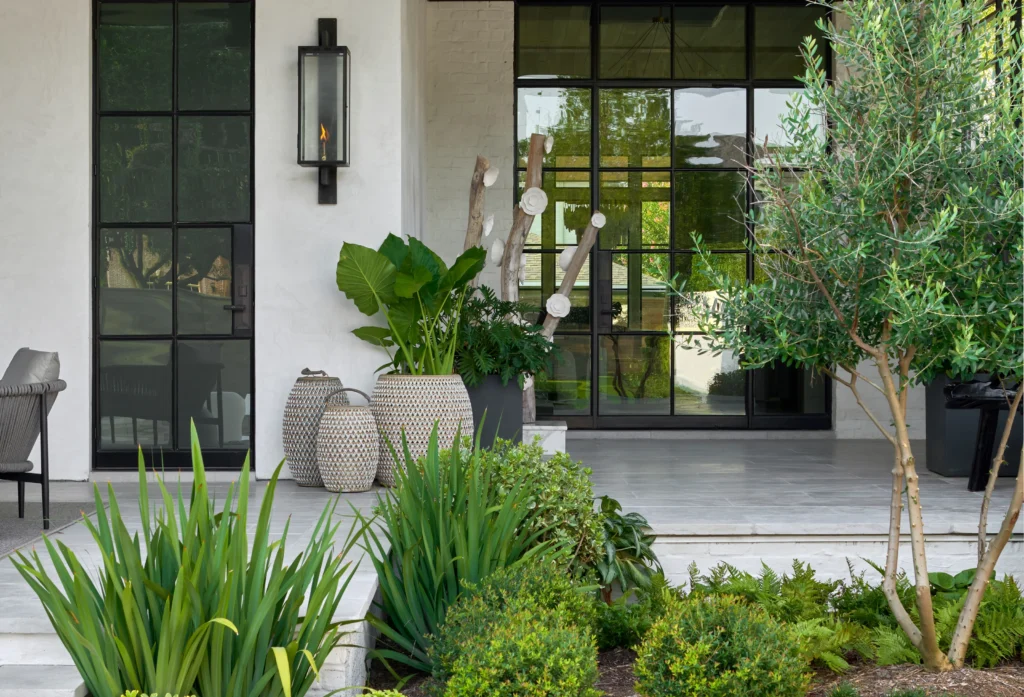
A hotel’s entrance is the first point of physical contact with your guests. It sets the tone for their entire stay, creating a lasting first impression that can define their experience. A grand, welcoming entrance promises luxury, comfort, and an escape from the ordinary. One of the most effective ways to achieve this is through strategic and beautiful landscaping. Partnering with professional Hotels & Restaurants Plantscaping services can elevate your property’s curb appeal from simply nice to truly unforgettable. The right trees can frame your entrance, add a touch of nature-inspired elegance, and signal the high-quality experience that awaits inside.
Choosing the perfect trees, however, is more than just picking what looks good. It involves considering your climate, the architectural style of your building, maintenance requirements, and the specific atmosphere you want to create. Do you want a modern, sleek look or a lush, classic feel? Are you aiming for year-round color or dramatic seasonal changes? This guide will walk you through the best trees to plant outside your hotel, providing the insights you need to transform your entrance into a stunning focal point that captivates guests from the moment they arrive.
Why Professional Plantscaping is Crucial for Hospitality
Before diving into specific tree recommendations, it’s important to understand the value of expert guidance. A well-executed landscape design is an investment that pays dividends in guest satisfaction, brand image, and even property value. This is where specialized Hotels & Restaurants Plantscaping services become indispensable.
- Expert Knowledge: Professionals understand the intricate details of horticulture, from soil types and sun exposure to pest resistance and growth patterns. They ensure the selected plants will not just survive, but thrive.
- Cohesive Design: A plantscaping expert creates a unified vision that complements your hotel’s architecture and brand identity. They see the bigger picture, ensuring every plant, pot, and tree works together harmoniously.
- Maintenance & Longevity: The hospitality industry is demanding. A professional service can design a low-maintenance landscape or provide ongoing care, ensuring your entrance looks pristine day in and day out without adding to your team’s workload.
- Safety and Logistics: Experts consider practical factors like root systems that won’t damage pavement, trees that don’t drop messy fruit, and foliage that won’t obstruct walkways or signage.
Investing in professional exterior design ensures your entrance is not only beautiful but also practical, sustainable, and aligned with your operational needs.
Top Tree Choices for a Stunning Hotel Entrance
When selecting trees, we need to balance aesthetics with practicality. The ideal tree for a hotel entrance offers visual appeal, requires manageable maintenance, and suits the scale of the property. Below are some of the best options, categorized by their key attributes.
1. Evergreen Trees for Year-Round Greenery
Evergreens are the workhorses of hospitality landscaping. They provide consistent color and structure throughout all four seasons, ensuring your entrance never looks bare.
Italian Cypress (Cupressus sempervirens)
- Best for: Modern, formal, and Mediterranean-style hotels.
- Why it works: With their tall, slender, and columnar shape, Italian Cypresses create a powerful vertical element that draws the eye upward, making an entrance feel grand and sophisticated. They are perfect for flanking a doorway or lining a driveway. Their deep green foliage is dense and requires minimal pruning to maintain its iconic shape. These trees thrive in full sun and well-drained soil, making them a durable choice for many climates.
Holly (Ilex species)
- Best for: Classic, traditional, and luxury hotels.
- Why it works: Holly offers glossy, deep green leaves that look lush and elegant year-round. Many varieties, like the American or English Holly, produce vibrant red berries in the fall and winter, adding a festive and colorful touch during the colder months. Hollies can be pruned into formal hedges or grown as standalone specimen trees. They are versatile and relatively low-maintenance, providing a timeless sense of polish and charm.
Arborvitae (Thuja species)
- Best for: Creating privacy screens and structured backdrops.
- Why it works: Varieties like ‘Emerald Green’ Arborvitae are popular in commercial landscaping for good reason. They grow in a dense, conical shape that requires little to no pruning. They are excellent for creating a “green wall” to screen unsightly views or define the entrance space. Their soft, feathery foliage adds texture, and they are famously hardy and adaptable to a range of conditions.
2. Flowering Trees for Seasonal Spectacle
If you want to create “wow” moments and seasonal interest, a flowering tree is a must. The key is to choose one that has a tidy growth habit and a bloom cycle that aligns with your peak season.
Crape Myrtle (Lagerstroemia indica)
- Best for: Hotels in warmer climates seeking long-lasting summer color.
- Why it works: Known as the “lilac of the South,” Crape Myrtles produce spectacular, long-lasting plumes of flowers in shades of pink, purple, red, and white throughout the summer. Beyond the blooms, their mottled, exfoliating bark provides visual interest in the winter. They are drought-tolerant once established and come in various sizes, from large shrubs to medium-sized trees, making them a versatile choice for any entrance.
Japanese Maple (Acer palmatum)
- Best for: Boutique hotels, Asian-inspired designs, and shaded entrances.
- Why it works: The Japanese Maple is the epitome of elegance and grace. Its delicate, lace-like leaves come in stunning shades of red, burgundy, and green. While its flowers are inconspicuous, its foliage provides a dramatic color show that changes with the seasons, often turning brilliant fiery shades in the fall. Many dwarf varieties are perfect for large containers, making them an excellent choice for framing a doorway where ground planting isn’t possible.
Dogwood (Cornus florida)
- Best for: Creating a classic, breathtaking spring display.
- Why it works: The Flowering Dogwood is an American classic. In spring, it bursts into a profusion of beautiful white or pink bracts (which look like petals) that create a truly magical effect. In the fall, its foliage turns a rich reddish-purple, and it produces glossy red berries that attract birds. It has a graceful, tiered branching structure that looks beautiful even when bare in winter.
3. Architectural and Structural Trees
Sometimes, the shape and form of a tree are just as important as its color or flowers. These trees provide a strong design element.
Hornbeam (Carpinus betulus ‘Fastigiata’)
- Best for: Formal, urban, and European-inspired hotel entrances.
- Why it works: The Upright European Hornbeam has a dense, flame-shaped growth habit that makes it ideal for creating formal allées or stately accent points. Its serrated green leaves are neat and tidy, turning a lovely shade of yellow in the fall. This tree tolerates pruning well and can be shaped into pleached or espaliered forms for a highly designed, architectural look. It’s also quite tolerant of urban pollution.
Birch (Betula species)
- Best for: Rustic-chic, modern, and woodland-themed properties.
- Why it works: The standout feature of a birch tree is its striking bark. The peeling white bark of the Paper Birch or the silvery sheen of the River Birch provides dramatic visual interest all year, especially against a dark building facade. Often planted in multi-stemmed clumps, they have an airy, open canopy that casts light, dappled shade. They evoke a sense of natural, effortless beauty.
Plantscaping Beyond Trees: Creating a Complete Look
While trees are the anchors of your entrance design, a truly memorable landscape incorporates layers. The best Hotels & Restaurants Plantscaping services will use a mix of elements to build a complete picture.
- Container Gardening: Large, statement-making planters can be filled with a rotating selection of seasonal flowers and foliage. This allows you to easily update your look and add pops of color right at the doorway. Think vibrant tulips in spring, lush ferns in summer, and ornamental kale in autumn.
- Shrubs and Hedges: Boxwood, yew, and other shrubs can be used to create low, formal hedges that define pathways and add a layer of green at the base of your building. Flowering shrubs like hydrangeas or roses can provide mid-level color.
- Groundcovers and Perennials: Filling in garden beds with groundcovers like Pachysandra or perennials like Hostas and Heucheras adds texture, suppresses weeds, and makes the landscape feel full and lush.
- Lighting: Don’t let your beautiful landscaping disappear after sunset. Strategic uplighting on trees, path lighting, and spotlights on key features can create a dramatic and welcoming ambiance at night.
Ready to Transform Your Hotel Entrance?
Your hotel’s exterior is the first chapter of the story you tell your guests. By carefully selecting the right trees and investing in a thoughtful landscape design, you can create a welcoming and luxurious atmosphere that sets the stage for an exceptional stay. From the year-round elegance of evergreens to the seasonal drama of flowering trees, the possibilities are endless.
If you’re ready to elevate your property’s curb appeal and create an unforgettable first impression, it’s time to consult the experts. Our professional Hotels & Restaurants Plantscaping services are dedicated to creating stunning, sustainable, and brand-aligned landscapes for the hospitality industry.